Case studies
Can You Print on Linen-Textured Paper for Rigid Boxes?
Can you print on linen-textured paper for rigid boxes? Compare printable specialty paper, fabric wraps, and linen embossing before production.
Can You Print on Linen-Textured Paper for Rigid Boxes? A B2B Buyer's Guide
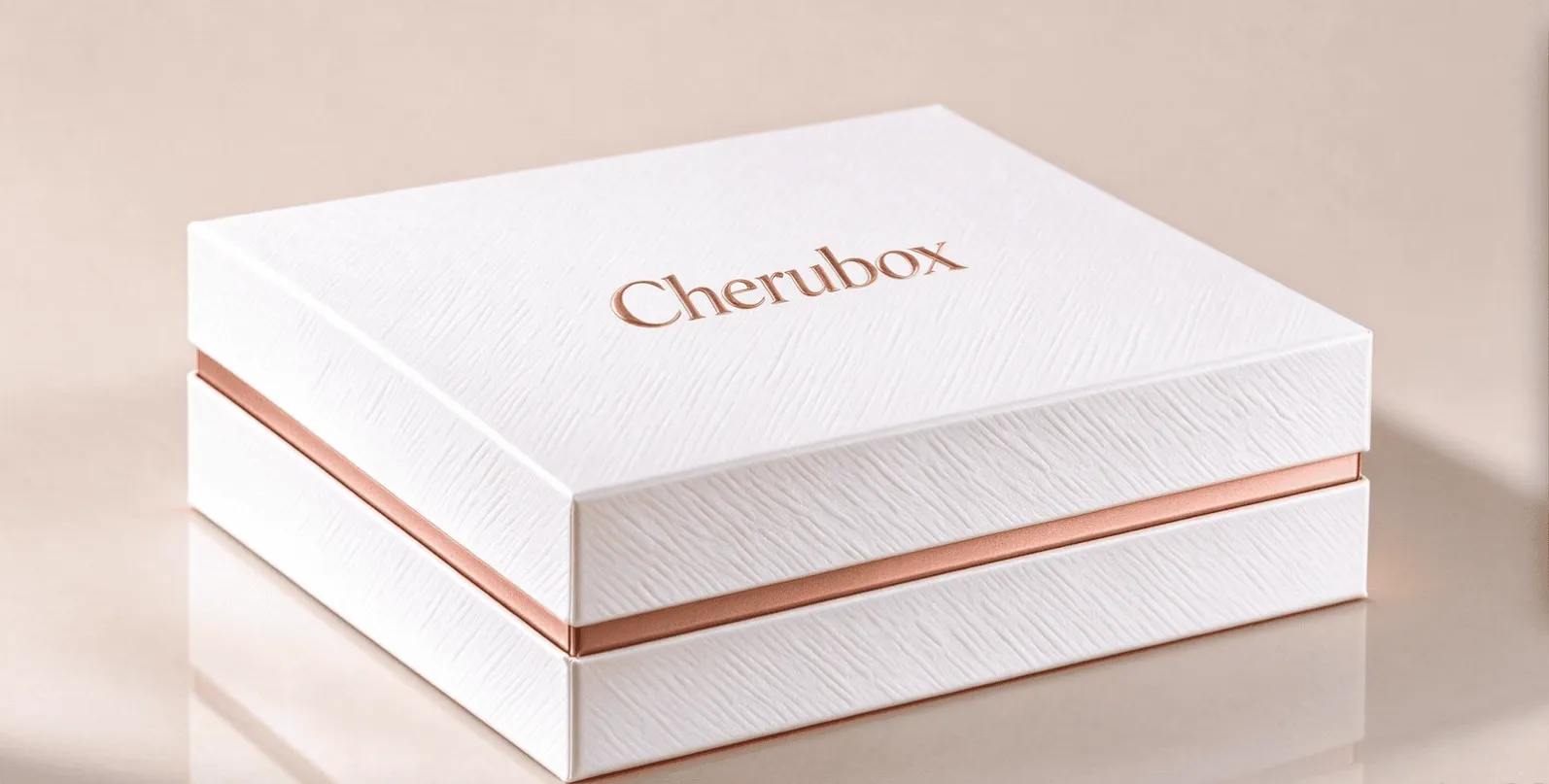
Linen and cotton-like textures are popular choices for premium rigid boxes. They create a natural, elegant appearance that works especially well for cosmetics, jewelry, wellness products, and luxury gift packaging.
However, choosing a textured paper becomes more complicated when the packaging also requires printed logos, detailed artwork, or full-color graphics.
Can linen-textured paper be printed on?
The short answer is yes, some linen-textured papers can be printed. However, not every textured specialty paper is suitable for conventional printing, and deeper textures can affect print quality.
For brands developing custom rigid boxes, understanding these limitations before finalizing the artwork can help avoid unnecessary sampling costs, production delays, and disappointing results.
1. What Is Linen-Textured Paper for Rigid Boxes?
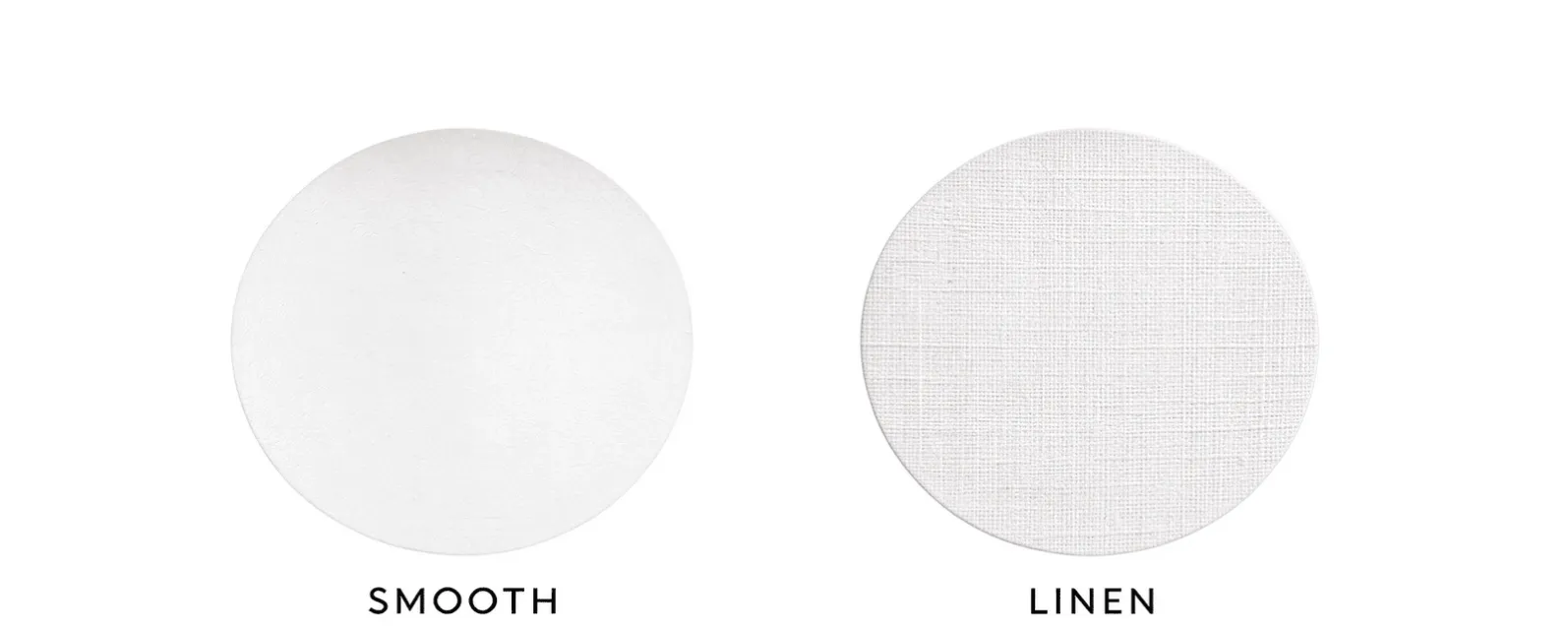
Linen-textured paper is a specialty paper designed to resemble the woven surface of linen fabric.
It is commonly used as a decorative wrapping material for rigid boxes, offering a fabric-inspired appearance without necessarily using actual fabric.
Depending on the material, the surface may feature:
- Fine woven patterns
- Deep linen-like textures
- Soft cotton-inspired finishes
- Natural or dyed paper colors
- Matte, tactile surfaces
The texture can make packaging feel more premium and distinctive than conventional smooth printed paper.
However, different papers have different surface coatings, absorbency, and printing characteristics.
A textured appearance does not automatically mean the paper is printable.
2. Can You Print on Linen-Textured Specialty Paper?
Yes, but printability depends on the specific paper and printing method.
Some specialty papers have relatively fine surface textures and are designed to support printing. Others have pronounced patterns or surface treatments that make conventional printing difficult.
Fine-Textured Paper
Fine-textured specialty paper may support certain printing methods while retaining a subtle linen-like appearance.
It can be a practical choice for packaging with simple logos, text, or limited graphics.
However, the final result should be verified through material specifications and print testing.
Deep Linen-Textured Paper
Deeply textured paper presents more challenges.
The uneven surface may prevent ink from transferring consistently into recessed areas, depending on the printing process.
Potential issues include:
- Incomplete ink coverage
- Uneven solid colors
- Reduced sharpness in small text
- Broken or inconsistent fine lines
- Variations in printed color appearance
For this reason, some heavily textured papers are recommended primarily for foil stamping, embossing, or other decorative finishes rather than conventional printing.
3. What If the Selected Textured Paper Cannot Be Printed?
This is a common challenge when developing premium rigid packaging.
A brand may select a specialty paper because of its attractive linen or cotton-like texture, only to discover that the material is not suitable for the required printed artwork.
There are several possible solutions.
Option 1: Use Foil Stamping or Embossing Instead
If the packaging design only requires a logo or simple decorative elements, foil stamping or embossing may be suitable alternatives.
Foil stamping can create metallic or colored decorative details, while embossing produces a raised design.
These finishes can complement textured specialty paper without relying on conventional ink printing.
However, compatibility must still be confirmed for the selected material. Deep textures can also affect foil transfer and fine decorative details.
Option 2: Choose a Printable Specialty Paper With a Finer Texture
If printing is essential, consider switching to a specialty paper with a smoother or more subtle surface.
This may provide a balance between decorative texture and print quality.
The trade-off is that the material may not deliver the same pronounced fabric-like appearance as the original paper.
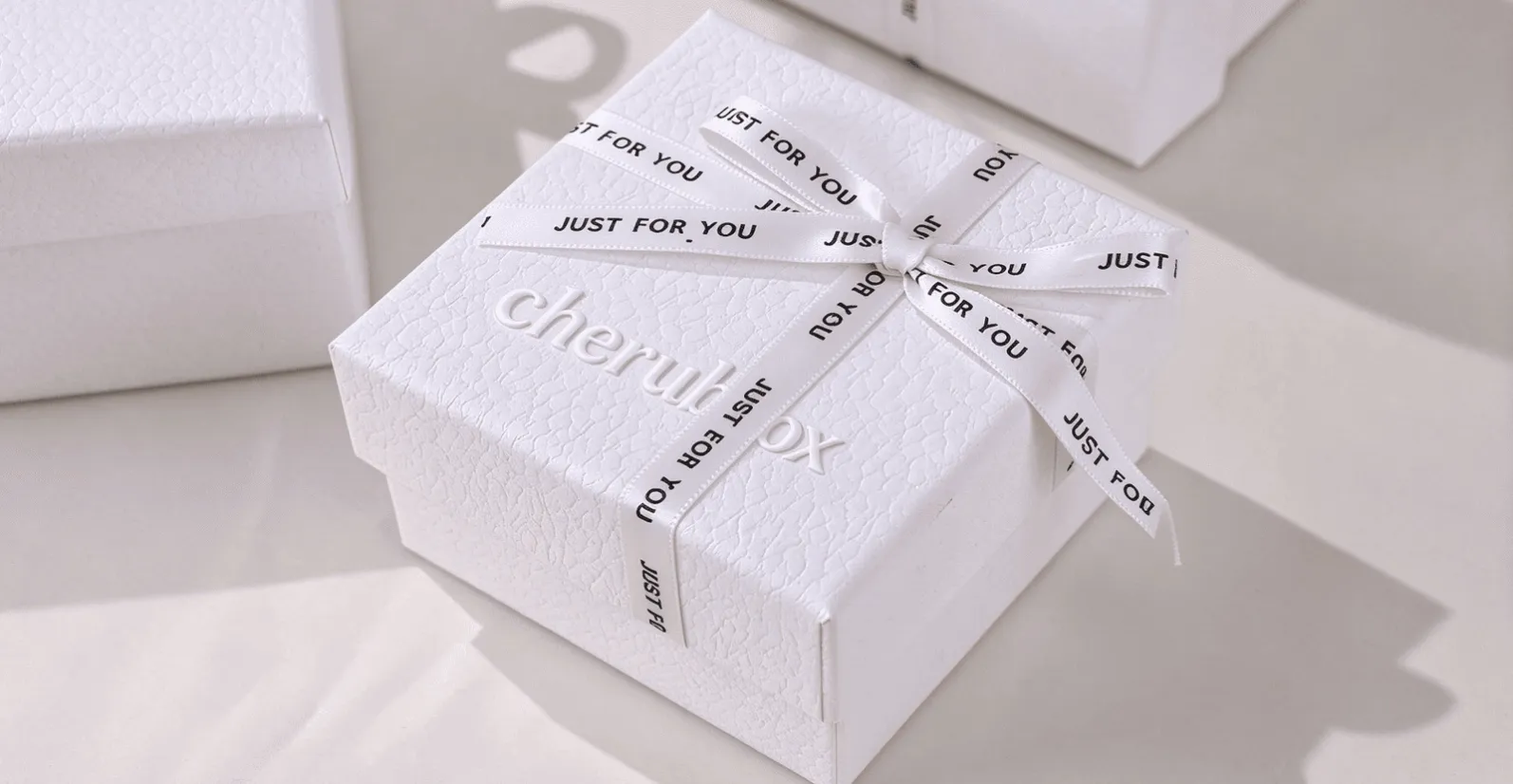
Option 3: Print First, Then Apply Linen Embossing
Another option is to print the artwork on a suitable paper surface before applying an overall linen-texture embossing pattern.
This approach allows more flexibility in choosing printable paper while adding a woven appearance afterward.
It can be particularly useful for rigid boxes that require both branding graphics and a linen-inspired finish.
However, the embossing process must be carefully controlled.
4. Is Printing First and Then Applying Linen Embossing a Better Solution?
For some projects, yes.
Printing first and applying a light linen embossing texture afterward can offer a practical alternative when a naturally textured specialty paper cannot deliver the desired print quality.
The general process is:
- Select a suitable printable wrapping paper.
- Print the approved artwork.
- Apply a linen-pattern embossing texture.
- Mount the finished paper onto the rigid box board.
The exact production sequence and compatibility should be confirmed with the production partner.
Benefits
This approach may offer several advantages:
- Greater flexibility in printed artwork
- More control over color reproduction before texturing
- A linen-inspired visual appearance
- Additional choices in paper materials
- Potentially more practical material sourcing
However, it is important to understand that embossed paper is not identical to actual linen or cotton fabric.
The visual texture can be similar, but the softness and tactile feel may differ.
5. Will Linen Embossing Affect Printed Text and Logos?
This is one of the most important considerations.
Yes, linen embossing can affect the visual clarity of printed details, especially when the texture is deep.
Embossing changes the paper surface after printing. The raised and recessed areas may distort the appearance of small characters, thin lines, and detailed artwork.
The level of risk depends on the embossing depth, paper properties, artwork, and production method.
Small Text
Fine lettering may become less legible when the surface texture is too pronounced.
Small product descriptions, detailed typography, and thin serif fonts require particular attention.
Fine Logos and Lines
Logos containing narrow strokes or intricate details may appear less sharp after embossing.
Large Solid-Color Areas
Texturing can change the way light reflects across a printed surface, creating visible variations in the appearance of large color areas.
QR Codes and Barcodes
Machine-readable graphics require special consideration.
Distortion caused by embossing may affect scanning performance, so these areas should ideally remain smooth or be tested carefully.
Our recommendation is to start with a light linen embossing texture rather than a deep pattern when printed details are important.
A physical sample should be approved before bulk production.
6. Comparing Three Material Options for Linen-Style Rigid Boxes
Option | Printing Flexibility | Texture | Key Consideration |
|---|---|---|---|
Deep linen-textured specialty paper | Limited or material-dependent | Pronounced woven texture | May be unsuitable for detailed printing |
Fine printable textured paper | Depends on paper and printing method | Subtle woven texture | Requires print testing |
Printed paper with linen embossing | Generally more flexible before embossing | Adjustable embossed texture | Embossing may affect fine details |
There is no single best option for every packaging project.
The right choice depends on the artwork, required texture, budget, and desired appearance.
7. Real Packaging Consultation: Finding a Printable Linen-Like Material
In a recent rigid box packaging consultation, a customer asked whether a linen or cotton-like material was available.
We reviewed textured specialty paper options and identified a material with a suitable fabric-inspired appearance.
However, the selected material was not suitable for the customer's required conventional printing process. Decorative options such as colored foil stamping and embossing were available.
The customer then asked an important follow-up question:
“Is there a similar material that is printable?”
This highlighted a common packaging development challenge: a material that meets the desired visual and tactile requirements may not meet the artwork requirements.
Rather than immediately replacing the material or promising a particular printing result, we recommended reviewing the final artwork first.
One potential alternative was to use printable wrapping paper followed by light linen-texture embossing.
This could help balance printing flexibility with the desired fabric-inspired appearance.
However, the final material and embossing process would need to be confirmed through supplier evaluation and sampling.
What Buyers Can Learn
Material selection should not be separated from artwork development.
Before confirming a textured wrapping paper, buyers should establish whether the design requires full-color printing, small text, metallic foil, or raised decorative details.
This helps reduce the risk of choosing an attractive material that cannot support the intended design.
8. What Should Buyers Confirm Before Selecting Textured Paper?
Before ordering custom linen-style rigid boxes, review the following points with your packaging solution provider.
Artwork requirements: Does the box require full-color printing, a simple logo, or only decorative foil?
Texture expectations: Is a subtle woven appearance acceptable, or is a pronounced fabric-like feel essential?
Material compatibility: Has the selected paper been tested with the intended printing and finishing methods?
Fine details: Does the artwork contain small text, barcodes, QR codes, or intricate logos?
Sampling: Can a physical sample be produced using the proposed material and finishing process?
Budget and quantity: Are the material and embossing costs practical for the order volume?
These questions are especially important when the rigid box is intended for premium retail presentation.
You may also find our Custom Packaging Cost Guide helpful when evaluating different materials and finishing options.
9. Our Recommendation: Finalize the Artwork Before Choosing the Paper
For rigid boxes that require both printing and a linen-like appearance, we generally recommend reviewing the artwork before making the final material decision.
If the design uses only a simple logo, specialty paper with foil stamping or embossing may be sufficient.
If the design includes detailed graphics or full-color printing, a printable paper followed by light linen embossing may be worth exploring.
However, the actual printing and embossing results must be tested.
At Cherubox Packaging, we help brands evaluate paper materials, box structures, printing requirements, and finishing options before coordinating sampling and production with suitable partners.
Our goal is to help buyers select packaging solutions that are both visually appealing and practical to produce.
Final Thoughts
Linen-textured paper can give rigid boxes a distinctive premium appearance, but combining noticeable texture with high-quality printing requires careful material selection.
Some specialty papers can be printed, while others are better suited to foil stamping and embossing.
For designs that require printed graphics, using printable paper with light linen embossing may offer a useful alternative.
The most important step is to confirm the artwork, material compatibility, and physical sample before bulk production.
Need Help Choosing Textured Paper for Your Rigid Boxes?
Looking for custom rigid boxes with a linen, cotton, or fabric-inspired finish?
Cherubox Packaging can help you review material options, evaluate printing and finishing compatibility, and coordinate samples based on your design requirements.
Or contact us at sales@cherubox.com with your artwork, box dimensions, quantity, and preferred texture.