Oct 27, 2026Case studies
Final Artwork vs Packaging Quote: A Real Case Study
When final packaging artwork differs from the quote, finishing disputes can follow. Explore a real case involving spot UV, gold foil, and silver foil.
When Final Artwork Doesn't Match the Packaging Quote: A Real Custom Packaging Case Study
A custom packaging quotation may be approved based on one set of printing finishes, while the final artwork contains something different.
When that happens, even a small change in the design file can create unexpected costs, production questions, and disagreements over what was originally confirmed.
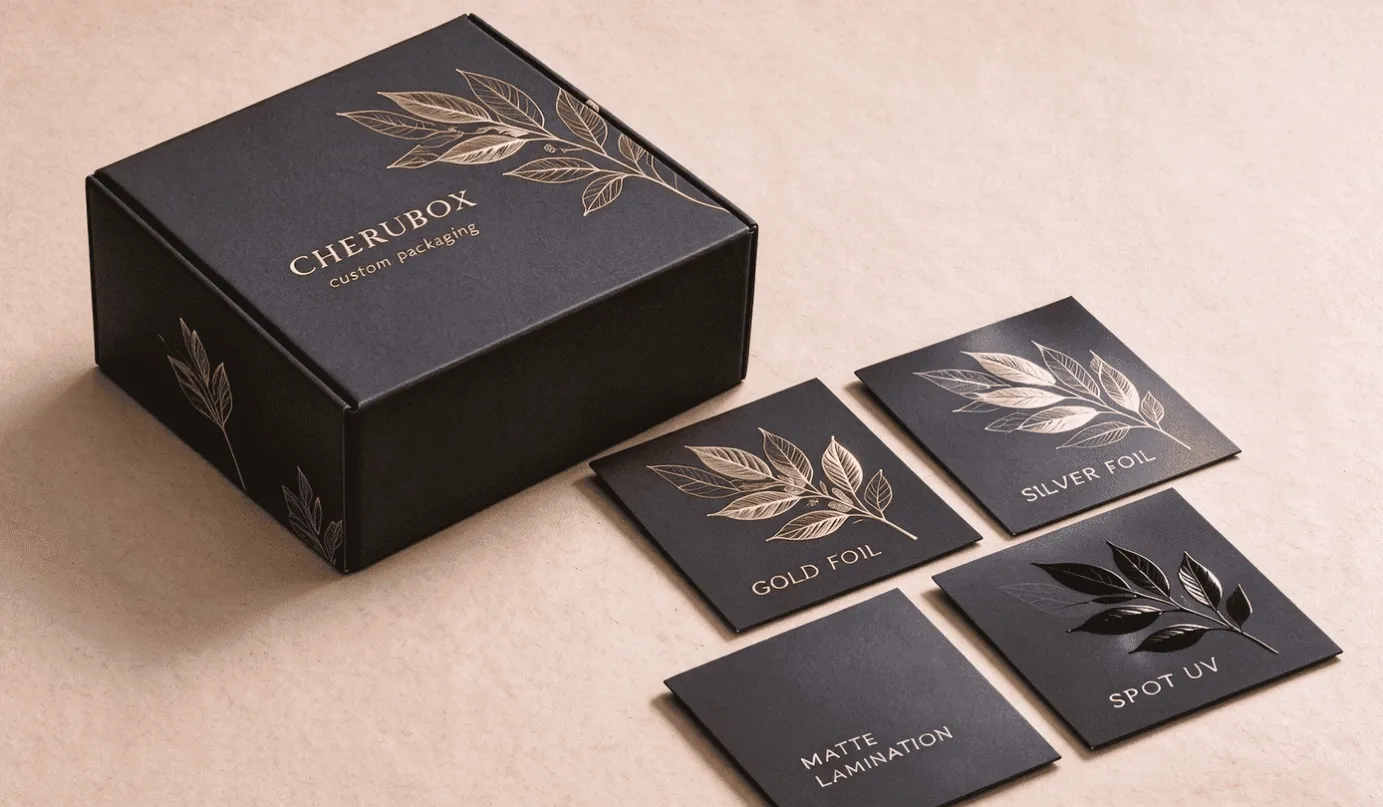
At Cherubox Packaging, we encountered this situation during a customer project involving matte lamination, spot UV, and metallic foil stamping.
The initial quotation and the final artwork did not specify exactly the same finishes. The difference later became a customer service issue, requiring both sides to review the project and agree on a practical resolution.
This case illustrates why packaging buyers should review finishing specifications separately from artwork appearance—and why final artwork approval should include a clear comparison with the original quotation.
The Project: Premium Packaging With Multiple Finishes
The original custom packaging quotation included three finishing requirements:
- Matte lamination
- Spot UV
- Gold foil stamping
Each process serves a different purpose.
Matte lamination creates a smooth, low-gloss surface.
Spot UV applies a selective glossy coating to chosen areas of the design, often creating contrast against a matte background.
Gold foil stamping uses a metallic foil transferred to selected areas through a separate finishing process.
These finishes are not interchangeable. Each may involve different artwork preparation, tooling, production steps, and costs.
The Problem: The Final Artwork Specified Different Finishes
When the final artwork was submitted, the finishing specifications differed from the original quotation.
The quoted requirements were:
Finishing Process | Original Quotation | Final Artwork |
|---|---|---|
Matte lamination | Included | Included |
Spot UV | Included | Not specified in the final finish combination |
Gold foil stamping | Included | Included |
Silver foil stamping | Not included | Included |
The important change was that the final design included silver foil instead of the originally quoted spot UV.
From a production perspective, this was not simply a visual adjustment.
Spot UV and silver foil stamping require different processes.
Even if the overall packaging appearance remains similar, the finishing specification has changed.
The final artwork was used as the production reference, but the difference between the quotation and the submitted design was not separately clarified to the customer's satisfaction.
This later led to a disagreement over the finishing requirements.
Why Artwork and Quotation Differences Matter
A packaging quotation and a final artwork file serve different purposes.
A quotation establishes the agreed commercial specifications and pricing basis.
The final artwork communicates the design details and production instructions.
Ideally, both documents should match before manufacturing begins.
When they do not, several problems can arise.
Different Finishes May Require Different Tooling
Spot UV generally requires selective coating preparation, while foil stamping requires a suitable stamping process and tooling.
Replacing one finish with another can change the production requirements.
The Final Artwork May Not Reflect the Original Budget
A buyer may approve a quotation based on certain finishes, then submit updated artwork containing additional or different processes.
Even when the quantity and box structure remain unchanged, finishing changes may affect the price.
Design Approval Does Not Always Resolve Commercial Differences
A design file may be technically ready for production but still contain specifications that differ from the approved quotation.
Both the artwork and the commercial requirements should be checked.
Different Teams May Review Different Details
For B2B packaging projects, the designer, purchasing team, packaging supplier, and end customer may not be the same people.
A designer may focus on appearance while the purchasing team focuses on price and production requirements.
Without a clear confirmation process, a change can be overlooked.
How We Handled the Customer's Concern
After the issue was raised, the project requirements and the difference between the original quotation and final artwork were discussed.
Our position was that production had proceeded according to the final confirmed design.
However, the customer also needed greater clarity when surface finishing requirements changed between quotation and production.
To support the customer and resolve the commercial disagreement, Cherubox agreed to a 10% discount, equivalent to USD $130, for that project.
This was a negotiated customer support arrangement rather than a general pricing policy.
We also committed to paying closer attention to finishing changes on future projects and flagging any differences noticed between the quoted specifications and submitted artwork for confirmation.
The practical lesson was clear: relying on final artwork alone is not always enough when commercial specifications have changed.
What Should Be Checked Before Custom Packaging Production?
A final packaging approval process should cover more than the visible artwork.
Compare the Final Artwork With the Quotation
Review the approved quotation and final production file side by side.
Check whether the following still match:
- Box structure
- Dimensions
- Paperboard material
- Printing colors
- Pantone requirements
- Surface lamination
- Spot UV areas
- Foil stamping colors
- Embossing or debossing
- Quantity and number of designs
Any differences should be discussed before production.
Use a Separate Finishing Specification
Do not rely only on the visual appearance of the artwork.
A clear finishing specification might read:
Exterior: Matte lamination + gold foil stamping + spot UV.
Or:
Exterior: Matte lamination + gold foil stamping + silver foil stamping.
These are different production requirements and should be quoted accordingly.
Identify Finishing Layers Clearly
Artwork prepared in Adobe Illustrator may include separate layers for:
- Cutting lines
- Crease lines
- Spot UV
- Gold foil
- Silver foil
- Embossing
- Other special processes
Clear layer names help reduce ambiguity.
However, layer names should be supported by a written specification when the finishing requirements are important.
Request Confirmation When Finishes Change
If the final artwork differs from the quotation, the safest approach is to request written confirmation of the updated requirements.
For example:
"The final artwork includes silver foil instead of the originally quoted spot UV. Please confirm whether we should proceed with the revised finishes and update the quotation if necessary."
A short confirmation can prevent a much larger disagreement after production.
A Practical Finishing Approval Checklist
Before approving custom packaging for mass production, confirm:
- The final artwork matches the approved quotation.
- Every finishing process is listed separately.
- Foil colors are correctly identified.
- Spot UV areas are clearly marked.
- Matte or gloss lamination requirements are confirmed.
- Pantone colors and printing sides are specified.
- Any finishing changes have been reviewed for cost implications.
- The final artwork version is clearly identified.
- The buyer and supplier agree on the production specifications.
- Written confirmation is retained before manufacturing begins.
For a broader review process, see our 7 Things to Check Before Approving Your Custom Packaging Sample.
Frequently Asked Questions
Can the final artwork change the custom packaging price?
Yes. Changes to printing colors, foil stamping, spot UV, embossing, materials, or other specifications may affect production requirements and costs.
Is silver foil the same process as spot UV?
No. Silver foil stamping applies a metallic foil, while spot UV applies a selective glossy coating. They require different production processes.
Should a packaging supplier follow the quotation or final artwork?
Both should be reconciled before production. The final artwork should reflect the agreed specifications, and any differences should be confirmed in writing.
What happens if a finishing difference is discovered after production?
The available options depend on the project, approved documents, production status, and commercial agreement. The parties may need to review the specifications and negotiate a practical resolution.
How can packaging buyers avoid finishing misunderstandings?
Use a written finishing checklist, clearly labeled artwork layers, version-controlled files, and a final approval that compares the artwork with the quotation.
Final Thoughts
This case was not simply about replacing spot UV with silver foil.
It highlighted a communication gap between the original packaging quotation and the final production artwork.
Although production followed the submitted final design, the finishing difference created a disagreement that required commercial support and clearer expectations for future projects.
For B2B packaging buyers, the key lesson is to treat the quotation and final artwork as two documents that must agree—not as independent approvals.
A few minutes spent confirming finishing specifications can prevent costly misunderstandings after production.
Need Help Reviewing Custom Packaging Artwork?
Cherubox Packaging helps brands and wholesale buyers coordinate custom packaging specifications, printing finishes, sampling, and production requirements.
Share your box type, dimensions, artwork, finishing requirements, and quantity. We can help review the project specifications and discuss practical production options.