Buying Guides
Can You Buy Directly from a Packaging Supplier Instead of a Broker?
Can you buy packaging directly from a supplier instead of a broker? Compare costs, risks, contracts, and the value of a packaging sourcing partner.
Can You Buy Directly from a Packaging Supplier Instead of a Broker?
When sourcing custom packaging, many brands work through a broker, a sourcing agent, or a packaging solution provider instead of dealing with the factory directly.
Sooner or later, many of them find out who the factory behind their packaging is — and ask the obvious question: can we just contact the supplier, get a quote, and order directly next time?
Sometimes, yes. But buying direct is not always cheaper, simpler, or even allowed under your current agreements.
Before changing how you buy, it helps to understand how the packaging supply chain works, what your current partner actually handles for you, and whether any agreement limits your options. This guide compares direct sourcing with working through an intermediary — on cost, quality control, contracts, and long-term reliability.
1. How Does the Custom Packaging Supply Chain Work?
Custom packaging usually involves several parties, depending on the product, the manufacturing process, and what you need from sourcing.
Packaging manufacturer. The factory that produces the packaging — rigid boxes, folding cartons, corrugated boxes, paper tubes, or inserts. Manufacturers focus on production: machinery, materials, and efficiency.
Packaging broker or sourcing agent. The intermediary between the brand and the factory. The agent coordinates specifications, production, quality control, shipping, and communication — often across several factories — and may also arrange sampling, inspection, freight, consolidated shipping, design, or warehousing.
Packaging solution provider. Essentially a broker with broader capabilities: sourcing, production, design, quality assurance, logistics, and delivery, all under one contract.
2. Can You Buy Directly From a Packaging Manufacturer?
Yes, in many cases. Whether it works depends on order quantity, product complexity, and the commercial relationship you already have.
Direct purchasing is more likely to work when:
- The product has a stable design and standard materials.
- You have clear technical specifications — dimensions, materials, print files, and finishing requirements.
- You can communicate with the factory in its working language.
- Quality inspection is handled by the supplier or a third-party inspector, not the intermediary.
It becomes harder when the packaging needs complex structures, multiple production steps, or frequent design changes. In those cases, coordination and technical support matter more than unit price alone.
3. Direct Sourcing vs. Working Through a Broker: Cost, Risk, and Control
Direct sourcing and broker-assisted sourcing differ in cost structure, responsibility, and risk.
Direct sourcing. You deal with the factory yourself and manage production, inspection, and logistics.
Advantages:
- Lower unit price in some cases, with no intermediary service fee.
- Direct communication with the production team.
- Greater control over specifications and schedules.
- Easier access to production updates and factory information.
Risks and trade-offs:
- You handle quality control, sampling, and problem resolution yourself.
- Communication and time-zone differences can slow decisions down.
- You arrange freight, customs, and delivery.
- If a quality problem occurs, you negotiate the remedy directly with the factory.
Working through a broker or sourcing partner. The intermediary coordinates the factory and handles many of the operational tasks.
Advantages:
- One point of contact for sourcing, production, and logistics.
- Support with specifications, sampling, quality inspection, and shipping.
- Better handling of complex or multi-component orders.
- Help resolving production or quality problems.
Risks and trade-offs:
- The total cost may include a service fee.
- You may have less direct access to the factory.
- The quality of service depends on the intermediary's capability and reliability.
There is no single best option. The right choice depends on your internal resources, order volume, product complexity, and risk tolerance.
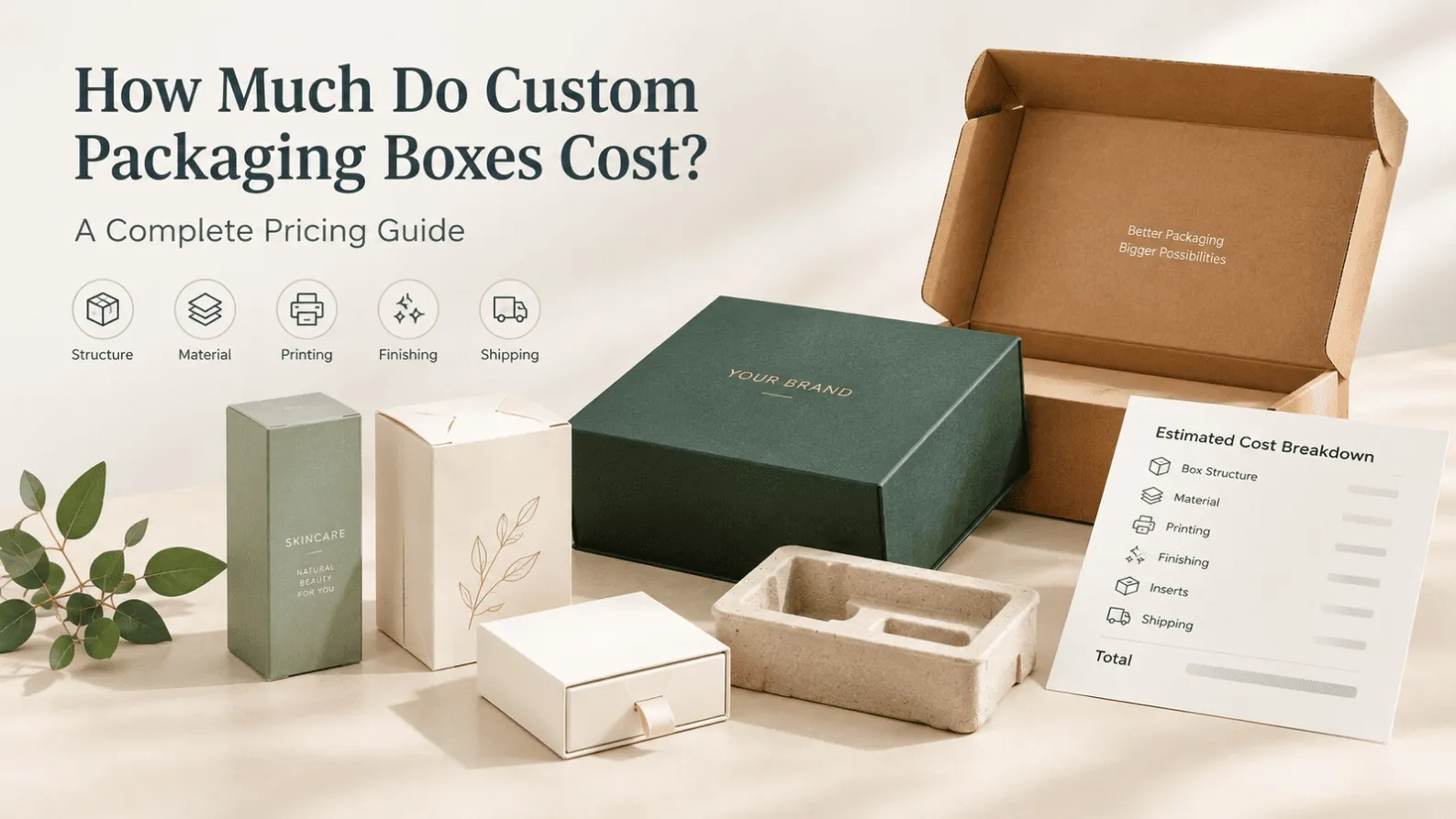
For more on how packaging costs break down, see our How Much Do Custom Packaging Boxes Cost? Pricing Guide.
4. Is Buying Directly From a Supplier Always Cheaper?
No. A lower factory price does not always mean a lower total cost.
Cost item | Direct sourcing | Broker-assisted sourcing |
|---|---|---|
Unit price | Often lower — no intermediary margin | May be higher — includes a service fee |
Sampling and pre-press | You pay separately for samples, plates, and dies | The broker may coordinate sampling and include these costs in the quotation |
Quality inspection | You pay for inspections, or accept the risk | Often included in the broker's service |
Logistics and freight | You arrange shipping, customs, and delivery | The broker can arrange consolidated shipping and handle documentation |
Problem resolution | You negotiate directly with the factory | The broker negotiates on your behalf |
Total cost | Lower only if you manage every step efficiently | Higher unit price, but potentially lower total cost once services are included |
A broker's fee often covers design review, sampling, inspection, logistics, and problem resolution. Priced separately, those services can make the broker-assisted option the more cost-effective one.
5. Contractual Considerations Before Buying Directly
Before contacting a supplier directly, check whether any existing agreement restricts that option.
- Non-disclosure or confidentiality: some agreements protect supplier information shared by the intermediary.
- Non-circumvention: some contracts prevent you from bypassing the intermediary for a defined period.
- Exclusive supply terms: a broker may hold an exclusive arrangement with a particular factory.
- Intellectual property: design files, dielines, and custom tooling may belong to you, the broker, or the factory, depending on the contract.
- Payment and liability: a direct order changes who is responsible for payment terms, delivery, and product liability.
Also check the files: a supplier may charge separately for pre-press and production files that a broker would include in its quoted service. Review the agreement and confirm who owns the design files, tooling, and production data before you switch.
6. How to Buy Directly From a Packaging Supplier
If direct sourcing suits your order, follow a structured process to keep the risk down.
- Confirm the supplier. Verify the factory's name, location, certifications, and production capabilities.
- Request a detailed quotation. Ask for unit price, tooling costs, sampling costs, lead time, payment terms, and shipping terms.
- Define the specifications. Provide exact dimensions, materials, print files, colours, finishing, and packing requirements.
- Approve samples before mass production. Check physical samples for structure, print quality, and functionality.
- Arrange quality control and logistics. Decide who inspects the goods, who handles freight, and how delivery is confirmed.
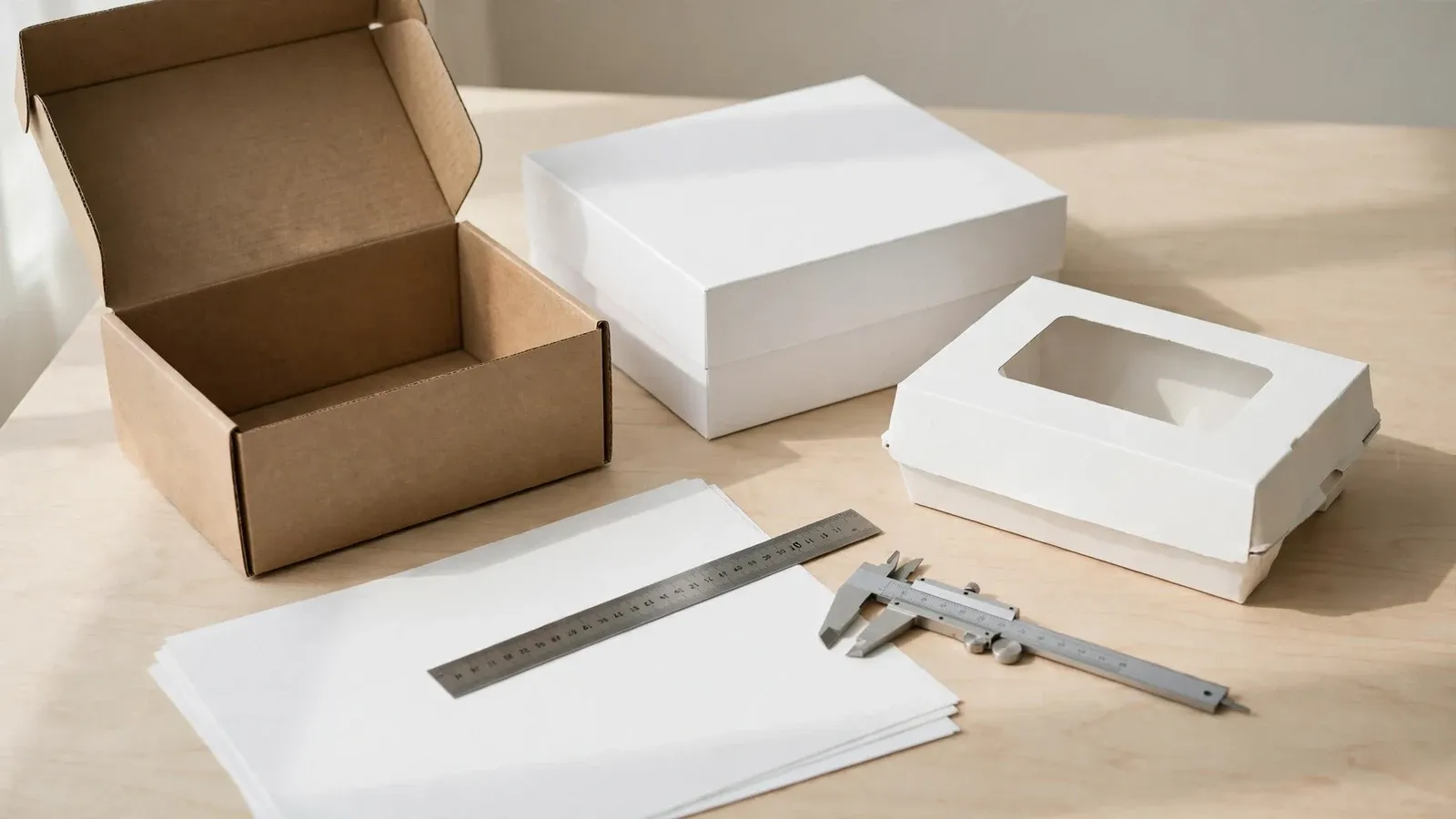
Before approving production, run through this checklist: 7 Things to Check on a Packaging Dieline Before Production.
7. When Is a Broker or Packaging Partner Still the Better Choice?
A broker or packaging solution provider is often the better choice when:
- The order involves multiple components from different factories.
- You have no in-house quality control or logistics capacity.
- The packaging needs custom structures, special materials, or complex finishing.
- You need consolidated shipping, warehousing, or ongoing supply management.
In these cases, the intermediary earns its fee by reducing risk, saving time, and managing production complexity.
8. How to Choose Between Direct Sourcing and a Packaging Partner
Use these five questions to decide which model fits your business:
- Can your team manage specifications, quality control, and logistics without support?
- Is your order volume large enough for the factory to prioritise it?
- Does your product need frequent design changes or technical support?
- Do existing contracts restrict direct contact with the supplier?
- Is total cost — not just unit price — the right comparison?
If the answers show your team can manage production and logistics, direct sourcing may work. If not, a packaging partner is likely to give you better reliability and lower overall risk.
Frequently Asked Questions
Can I buy packaging directly from a supplier instead of a broker?
Yes, in many cases. You can contact the factory directly, request a quotation, and place an order — as long as no contract prevents it. You then take responsibility for specifications, quality control, and logistics.
Is buying directly from a packaging factory cheaper?
Not always. The factory price may be lower, but you pay separately for sampling, inspection, freight, and problem resolution. A broker may charge a higher unit price yet deliver a lower total cost once its services are included.
Can I contact the supplier behind my broker?
You can ask — but review your agreement first. Some contracts include non-circumvention or confidentiality terms that restrict direct contact for a defined period.
What are the risks of buying packaging directly?
The main risks are quality problems, communication delays, logistics complexity, and limited support when production issues occur. They grow when the packaging is complex or the order involves multiple components.
How do I compare a direct supplier quote with a broker quote?
Compare the full service scope, not just the unit price. A direct supplier may offer a lower unit price, while a broker may work out cheaper overall once quality control, logistics, and risk management are included.
Conclusion: Should You Buy Directly From a Packaging Supplier?
Buying directly from a packaging supplier is possible, but it is not always the best option. Direct sourcing can reduce unit costs — but it also moves responsibility for quality, logistics, and problem resolution onto you.
It works well when you have clear specifications, reliable quality processes, and an experienced logistics team.
If you need help comparing direct sourcing with working through a packaging partner, contact Cherubox Packaging for a tailored quotation and sourcing plan. Get a Free Quote or email sales@cherubox.com.