Oct 14, 2026Buying Guides
How Much Do Custom Packaging Boxes Cost? Pricing Guide
Discover how much custom packaging boxes cost. Compare box types, materials, printing, finishes, inserts, and shipping to plan your packaging budget.
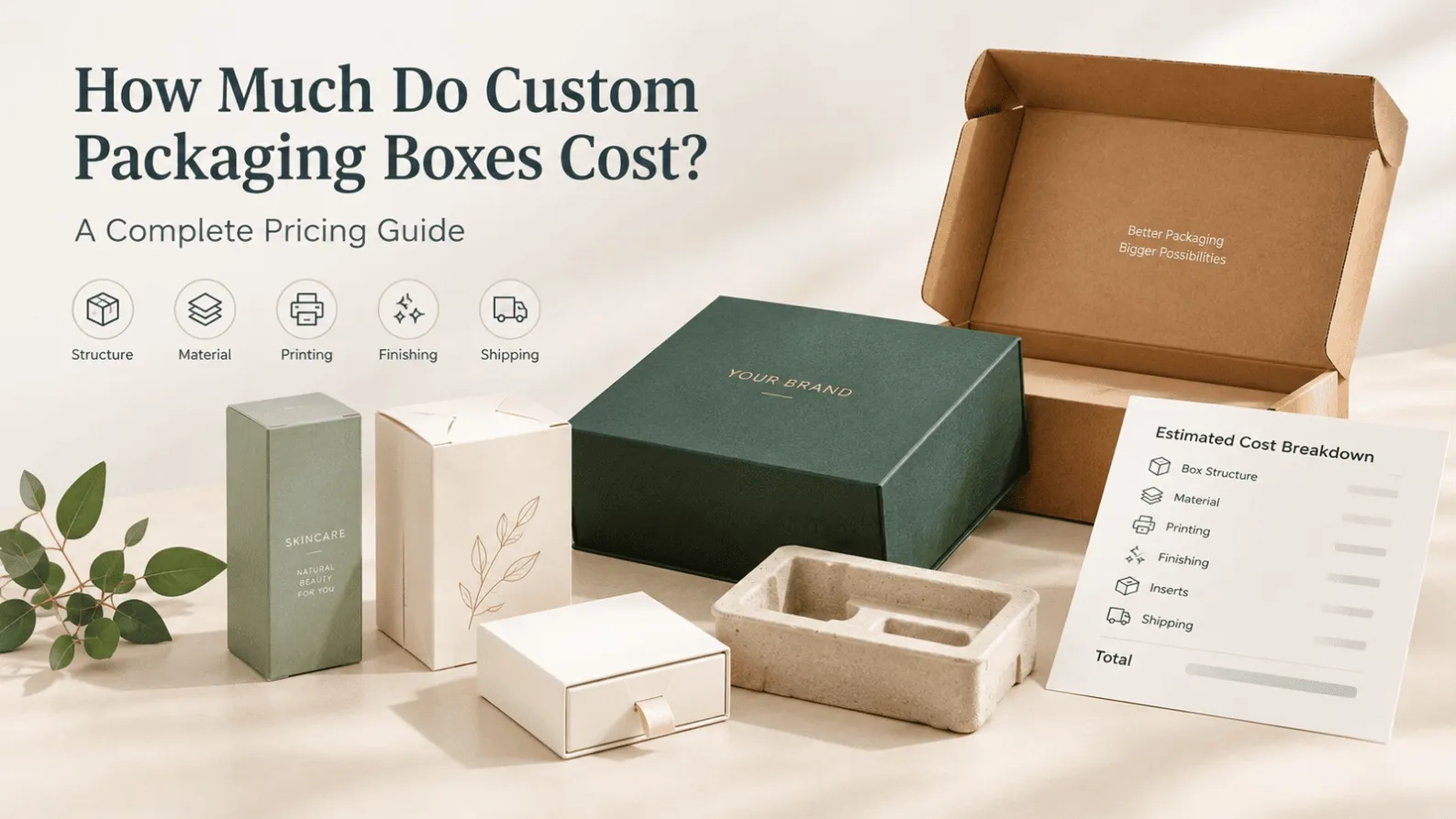
How Much Do Custom Packaging Boxes Cost? A Complete Pricing Guide
Custom packaging boxes can cost less than $1 per unit or several dollars per unit, depending on the box structure, material, dimensions, order quantity, printing, finishing, and shipping method.
If you're sourcing custom packaging for your brand, the most useful question isn't simply "How much does one box cost?" It's "What will my packaging cost from production to delivery, and which specifications have the biggest impact on the budget?"
This guide explains the main factors affecting custom box pricing, provides indicative price ranges for budgeting, and shows you how to request comparable quotes from packaging suppliers.
How Much Do Custom Packaging Boxes Cost?
At small-to-medium order quantities, custom packaging boxes may fall within the following indicative price ranges.
Custom box type | Indicative unit price |
|---|---|
Folding carton | $0.05–$2.50 |
Corrugated mailer box | $0.50–$8.00 |
Rigid gift or luxury box | $2.00–$15.00 |
Paper sleeve | Often less expensive than a complete box |
Note: These are broad budgeting estimates, not guaranteed market prices or Cherubox quotations. Actual prices may fall outside these ranges depending on dimensions, order quantity, material, printing, finishing, inserts, and delivery requirements. Prices are typically lower per unit at higher production volumes, assuming the specifications remain comparable.
A simple folding carton with one or two printed colors may cost considerably less than a large rigid box with foil stamping, a custom insert, and premium finishing.
The most important distinction is between unit price and total landed cost. Your actual budget may also include sampling, tooling, printing setup, packaging for shipment, freight, and other applicable charges.
9 Factors That Affect Custom Packaging Box Prices
1. Box Structure
The structure is one of the first decisions that affects packaging cost because different box styles require different materials, manufacturing processes, and assembly work.
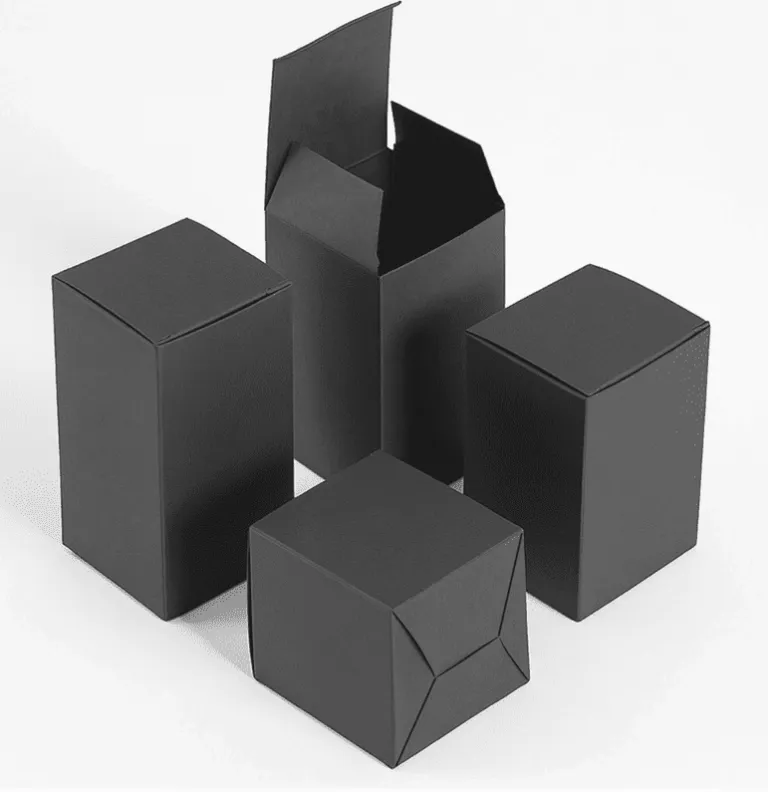
Folding cartons
Folding cartons are commonly used for cosmetics, skincare, food, supplements, and retail products. They are generally economical because they use paperboard and can be shipped flat.
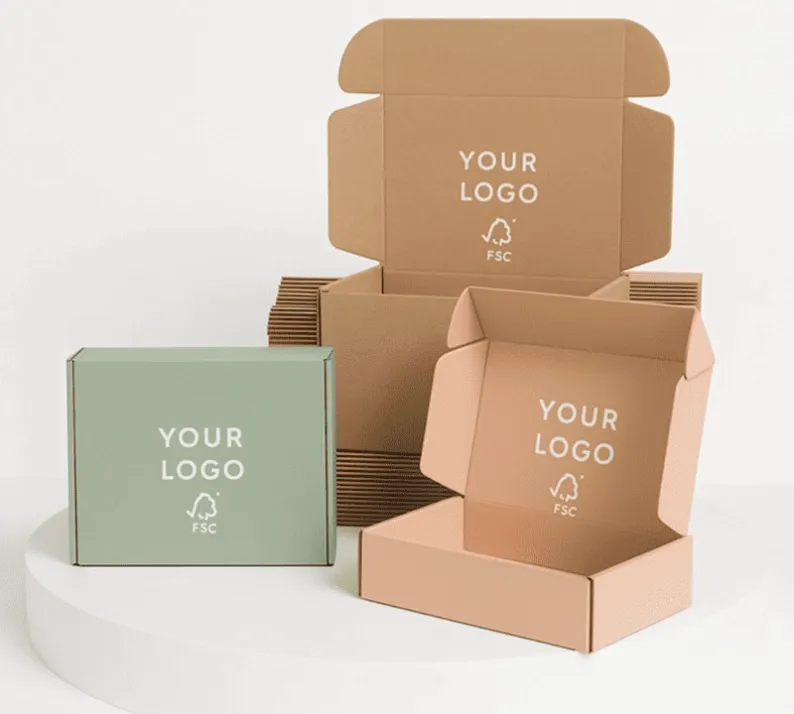
Corrugated mailer boxes
Mailer boxes combine a protective structure with a branded presentation. Cost depends on box dimensions, corrugated board specifications, printing coverage, and whether inserts are required.
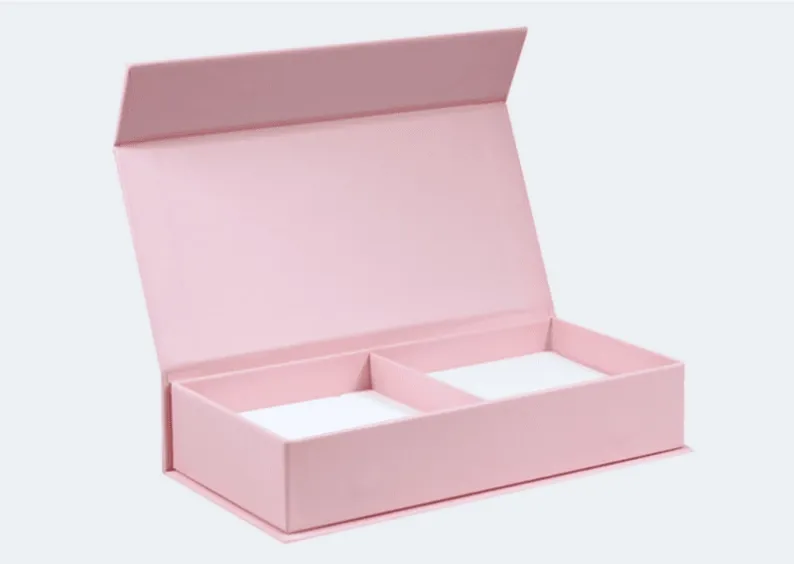
Rigid boxes
Rigid boxes are often chosen for premium gifts, electronics, cosmetics, and luxury products. Thick greyboard, wrapped paper, more complex assembly, and larger shipping volume generally make them more expensive.
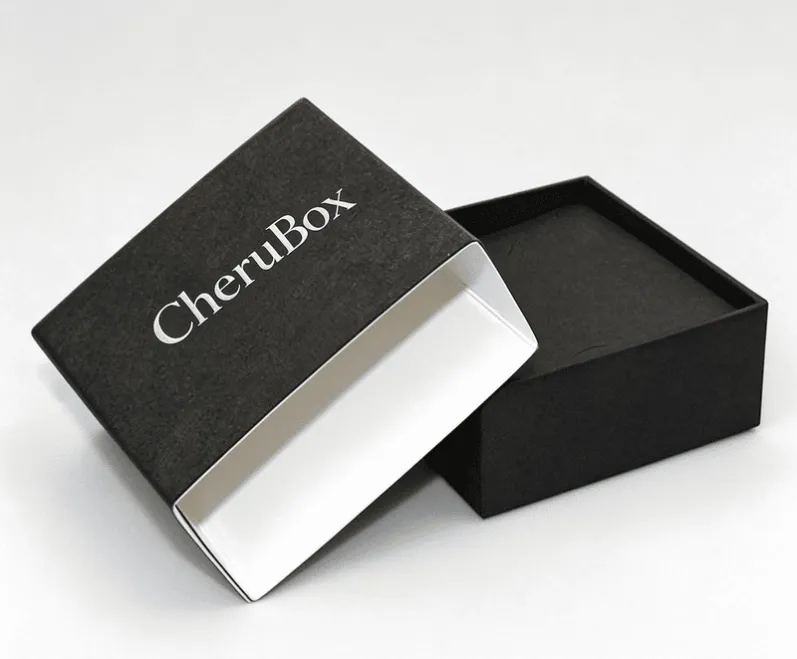
Paper sleeves
A sleeve can add branding to an existing box or product package without requiring a completely new box structure. It may be a cost-effective option when the product already has sufficient protection.
The best option is not necessarily the cheapest structure. Choose one that provides the required protection, presentation, and functionality without adding unnecessary material or assembly steps.
2. Material and Board Thickness
The material affects both production cost and how well the packaging performs.
Common options include:
- Paperboard: Used for folding cartons and lightweight retail packaging.
- Kraft paperboard: Suitable for natural-looking or understated packaging designs.
- Corrugated board: Provides cushioning and structural strength for shipping and heavier products.
- Rigid greyboard: Forms the solid core of many premium rigid boxes.
- Specialty papers: Textured, metallic, colored, and other premium papers can increase material costs.
Board thickness and grade also matter. A heavier board may improve stiffness, but the thickest option is not always necessary.
For example, a lightweight cosmetic product may work well in a folding carton, while a heavier glass product may need a stronger structure or a fitted insert.
Cost-saving tip: Select material based on product weight, fragility, stacking requirements, and intended use—not simply on the lowest available price or the thickest board.
3. Box Size and Dimensions
Larger boxes generally require more material and may increase shipping costs because they take up more space.
However, the impact is not limited to the price of the box itself. Oversized packaging can also increase the volume of the shipping cartons and the cost of transporting the finished order.
Consider a product that measures 180 × 75 × 120 mm. A box that provides excessive clearance on every side may use more material than necessary and allow the product to move during transit.
Before finalizing dimensions, consider:
- The actual product dimensions, including labels and protruding parts.
- The clearance required for inserting and removing the product.
- The thickness and shape of any insert.
- The space needed for protective materials.
- The final shipping carton dimensions and packing arrangement.
For multi-piece packaging, check the fit of the individual product boxes inside the master carton as well. A design that works for one box may not fit efficiently when ten or more units are packed together.
Cost-saving tip: Optimize the complete packaging system—not just the individual box. Small dimensional adjustments can improve material usage, carton capacity, and freight efficiency.
4. Printing Method and Number of Colors
Printing requirements influence both setup costs and unit prices.
Printing method | Common application | Cost consideration |
|---|---|---|
Digital printing | Short runs and designs requiring flexibility | Often avoids conventional printing plates, but unit costs may be higher at larger quantities |
Offset printing | Detailed artwork and larger production runs | Setup and plate costs are spread across the order |
Flexographic printing | Many corrugated packaging and high-volume applications | Can be cost-effective for suitable designs and production volumes |
The most economical method depends on the box material, print coverage, quantity, artwork, and supplier's equipment.
Color requirements also matter. Full-color artwork, solid background coverage, and printing on multiple surfaces may increase cost compared with a simpler design.
Some projects also require specific Pantone colors to maintain brand consistency. These may involve additional setup or color-matching charges, depending on the supplier's pricing policy.
Cost-saving tip: If you need several versions of the same box, ask whether the supplier can share compatible setup costs or produce them together. The answer depends on the artwork, dimensions, and production requirements.
5. Special Finishes
Special finishes can make packaging look more premium, but each additional process may increase production costs.
Common options include:
- Foil stamping: Adds metallic or colored foil to selected areas.
- Embossing and debossing: Creates raised or recessed details.
- Spot UV: Adds a glossy coating to selected parts of the design.
- Matte or gloss lamination: Changes the surface appearance and provides a protective layer.
- Soft-touch lamination: Creates a smooth, velvety surface feel.
Applying several effects to the entire box is generally more expensive than using them selectively.
For example, foil stamping a logo may provide a strong branding effect without the expense of applying foil across a large surface.
Cost-saving tip: Decide which finish contributes most to your brand identity, then prioritize it. A restrained combination of finishes can look premium without making every surface complicated.
6. Custom Inserts
Inserts help position products, prevent movement, and improve presentation. They can also add a meaningful amount to the total packaging cost.
Common insert materials include:
- Paperboard
- Corrugated board
- Molded pulp
- Foam or EVA
- Plastic trays
The right choice depends on product shape, fragility, weight, appearance, and the level of protection required.
For instance, a cosmetic bottle may need a fitted insert to keep it upright, while a lightweight retail product may only require a simple paperboard divider.
A complex insert with multiple cavities may involve additional material, die-cutting, assembly, and testing. For multi-item boxes, the insert must also be compatible with the product dimensions and the outer box structure.
Cost-saving tip: Do not remove an insert simply to lower the quotation if doing so increases the risk of product damage. Instead, compare different insert materials and simplify the design where practical.
7. Order Quantity and Minimum Order Quantity (MOQ)
Order quantity has a significant influence on unit price.
Many packaging processes involve fixed setup costs, such as printing preparation, tooling, and machine setup. When these costs are spread across more units, the average cost per box often decreases.
For example, a supplier may quote different unit prices for 1,000, 3,000, and 5,000 boxes with the same specifications. The larger order may offer a lower unit price, but it requires more upfront investment and storage space.
The most suitable order quantity depends on:
- Expected sales and inventory turnover
- Product shelf life and design changes
- Available storage space
- Cash-flow requirements
- Freight cost and delivery schedule
Minimum order quantities vary by supplier, printing method, material, and box structure. Some projects can be produced in relatively small runs, while complex or specialized packaging may require larger quantities to achieve reasonable unit costs.
Cost-saving tip: Request quotations at several quantities. Compare the unit-price reduction with the extra cash and inventory commitment before deciding how much to order.
8. Tooling, Sampling, and Setup Fees
A custom packaging quotation may include separate charges for development and production preparation.
These may include:
- Die-cutting tooling
- Printing plates
- Structural design or engineering
- Prototype samples
- Printed pre-production samples
- Color matching and special finishing setup
Not every project incurs all these fees, and suppliers may include some services in the quoted unit price.
Before comparing quotations, ask which charges are included, which are billed separately, and whether any one-time costs apply again to repeat orders.
For repeat production, an existing die may be reusable if the structure remains unchanged and the tooling is still available and suitable.
Cost-saving tip: Confirm the design, dimensions, artwork, and finishing requirements before approving production samples. Late changes can lead to additional sampling, tooling, or production costs.
9. Shipping and International Freight
For overseas buyers, freight can be a substantial part of the total packaging budget.
The final shipping cost depends on factors such as:
- Destination and delivery address
- Shipment weight and outer carton dimensions
- Shipping method
- Number of cartons and packing arrangement
- Delivery speed and service requirements
Flat-packed folding cartons and mailer boxes often use shipping space efficiently. Assembled rigid boxes generally occupy more volume, which can increase freight costs even when their product weight is relatively low.
Outer carton dimensions deserve particular attention. A freight estimate based on incorrect carton measurements may differ significantly from the actual shipping charge.
Before confirming the order, ask the supplier to verify the expected carton dimensions, carton count, gross weight, shipping method, and estimated freight.
If you are comparing international quotations, also confirm whether the price includes delivery, customs-related charges, duties, or other costs applicable to your agreed shipping terms.
Cost-saving tip: Evaluate packaging production and transportation together. A small change in the box structure or packing arrangement may improve shipping efficiency, but it should not compromise product protection.
Unit Price vs. Total Landed Cost
A low unit price does not automatically mean a low total cost.
When evaluating a packaging quotation, consider the complete cost structure.
Cost component | What to check |
|---|---|
Box production | Structure, material, dimensions, and quantity |
Printing and finishing | Color requirements, foil, UV, lamination, and other effects |
Inserts | Material, number of cavities, fit, and assembly |
Sampling and tooling | One-time fees and repeat-order arrangements |
Export packing | Outer cartons, protective packing, and carton quantity |
Freight | Shipping method, weight, volume, and destination |
Other applicable charges | Delivery, duties, taxes, or customs-related costs under the agreed terms |
For a fair comparison, calculate the total expected cost for the same order quantity and delivery requirements.
For example, Supplier A may quote a lower unit price but charge separately for tooling, inserts, and freight. Supplier B may have a higher production price but include more services in the quotation.
Neither is automatically better. The important question is which quotation offers the best combination of specification, quality, reliability, and total cost.
How to Get an Accurate Custom Packaging Quote
The more complete your specifications are, the easier it is for a supplier to provide a meaningful quotation.
Before requesting prices, prepare the following information:
- Product dimensions and weight: Include any labels, caps, accessories, or protruding parts.
- Target quantity: Ask for prices at several quantities, such as 1,000, 3,000, and 5,000 units.
- Box style: Specify folding carton, mailer, rigid box, sleeve, or another structure.
- Material requirements: Indicate your preferred board type or any performance requirements.
- Printing and finishing: Describe the artwork, number of colors, foil, embossing, UV, or lamination.
- Insert requirements: Include the product layout and the number of items per box.
- Shipping destination: Provide the country and postal code, or the complete delivery address when available.
- Required delivery date: Allow time for sampling, production, and international shipping.
If you have a reference sample, structural drawing, or packaging dieline, share it with the supplier. These materials can help clarify the required construction and reduce misunderstandings.
Request an itemized quotation where possible. This makes it easier to identify the main cost drivers and determine whether a proposed design adjustment could reduce the price.
Most importantly, compare quotations based on equivalent specifications. A quote for a simple folding carton is not directly comparable with one that includes a custom insert, premium finishes, and export delivery.
5 Practical Ways to Reduce Custom Packaging Costs
You do not necessarily need to sacrifice packaging quality to reduce costs. Start with the design choices that have the greatest impact.
1. Simplify the structure
Choose the simplest box style that meets your product protection and presentation requirements. Avoid unnecessary layers, components, or assembly steps.
2. Optimize the dimensions
Review the product fit, insert clearance, and outer carton arrangement. Reducing unnecessary space can lower material usage and may improve shipping efficiency.
3. Use premium finishes selectively
Prioritize the logo, product name, or another important visual element instead of applying expensive finishes across the entire package.
4. Match the material to the application
Use board that provides sufficient strength and performance without paying for specifications your product does not need.
5. Plan quantities around actual demand
Request tiered pricing, but balance unit savings against inventory, storage, and cash-flow requirements. A lower price is less valuable if excess packaging remains unused after a product redesign.
Frequently Asked Questions
How much does a custom box cost per unit?
As a broad budgeting reference, folding cartons may cost around $0.05–$2.50 per unit, mailer boxes around $0.50–$8.00, and rigid boxes around $2.00–$15.00 at some small-to-medium order quantities. Actual prices depend on the complete specification and may fall outside these ranges. Request a quotation based on your dimensions, quantity, material, finishes, and delivery requirements.
What is the cheapest type of custom packaging box?
Simple folding cartons and paper sleeves are often among the more economical options. The best choice depends on the product, required protection, branding, and whether the package needs to support shipping or retail display.
What is the minimum order quantity for custom boxes?
There is no universal MOQ. It varies according to the box structure, material, printing method, supplier, and production requirements. Ask for pricing at multiple quantities to understand how the MOQ affects unit cost.
Why do custom boxes cost more than stock boxes?
Custom packaging may require dedicated tooling, artwork preparation, printing setup, and specialized materials or finishes. Stock packaging can avoid some of these costs, but custom boxes offer greater control over dimensions, brand presentation, and product fit.
Do printing and special finishes significantly increase the price?
They can. Full-surface printing, specialty colors, foil stamping, embossing, and spot UV may add material, setup, or processing costs. The impact depends on the design and production quantity. Using finishes selectively can help manage the budget.
Is ordering more boxes always cheaper?
Larger quantities often reduce the unit price because fixed setup costs are spread across more units. However, larger orders also require more cash and storage space. Choose a quantity that balances unit savings with realistic demand.
Does shipping affect the cost of custom packaging?
Yes. Shipping cost depends on destination, weight, outer carton dimensions, shipping method, and other service requirements. Flat-packed boxes can be more space-efficient than assembled rigid boxes. Confirm the final packing details before approving the shipping budget.
How can I get a more accurate quote for custom packaging?
Provide your product dimensions and weight, preferred box style, quantity, material requirements, printing and finishing details, insert requirements, and shipping destination. A reference sample or dieline can also help the supplier understand your requirements.
Get a Custom Packaging Quote from Cherubox
Cherubox helps brands and wholesale buyers source custom paper packaging with consideration for box structure, materials, printing, finishing, inserts, and international shipping.
Whether you need folding cartons, rigid boxes, mailer boxes, paper sleeves, or a coordinated packaging set, our team can help you evaluate suitable options based on your product and budget.
To get started, share your:
- Product dimensions and weight
- Target order quantity
- Preferred box style or reference sample
- Shipping destination
We'll review your requirements and help you identify a practical packaging solution before you commit to production.
Email: sales@cherubox.com