Oct 16, 2026Buying Guides
8 Questions to Ask a Custom Packaging Supplier Before Ordering
Choosing a custom packaging supplier? Ask these 8 questions about materials, samples, quality control, lead times, shipping, and costs before ordering.

8 Questions to Ask a Custom Packaging Supplier Before Ordering
Choosing the right custom packaging supplier is one of the most important decisions a brand, wholesaler, or product business will make. Packaging does far more than make your product look good — it protects it in transit, affects shipping efficiency and cost, shapes the customer's unboxing experience, and directly impacts how much it costs to bring your product to market. A low price alone does not guarantee a smooth packaging project. Before you sign an order, you also need to understand a supplier's technical capabilities, material and structural expertise, quality standards, cost transparency, and how they handle international orders. Asking the right questions up front saves you from rework, delays, and budget surprises. Here are the eight questions to ask a custom packaging supplier before ordering — plus what a good answer looks like, and the red flags that should make you reconsider.
- What Types of Custom Packaging Can You Provide?
Start by understanding the supplier's real product range and technical depth. Different products need different structures: a skincare brand may want rigid gift boxes or folding cartons, a cannabis brand may require child-resistant packaging, and an e-commerce business will prioritize corrugated mailers, protective inserts, and shipping efficiency.Ask whether they can handle the styles your project needs:
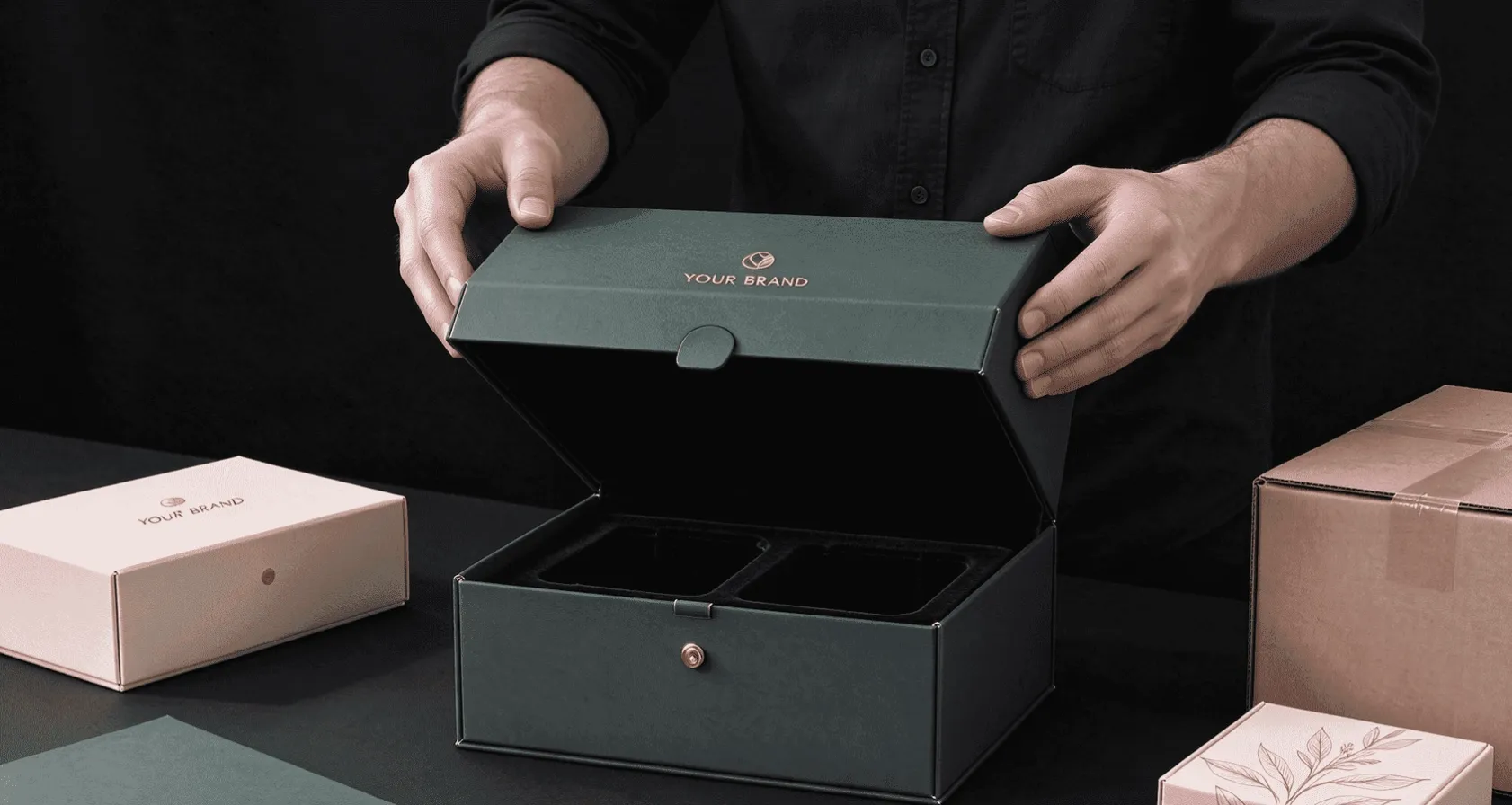
- Rigid boxes — magnetic closure, drawer, lift-off lid
- Folding cartons for retail products
- Mailer boxes and shipping cartons
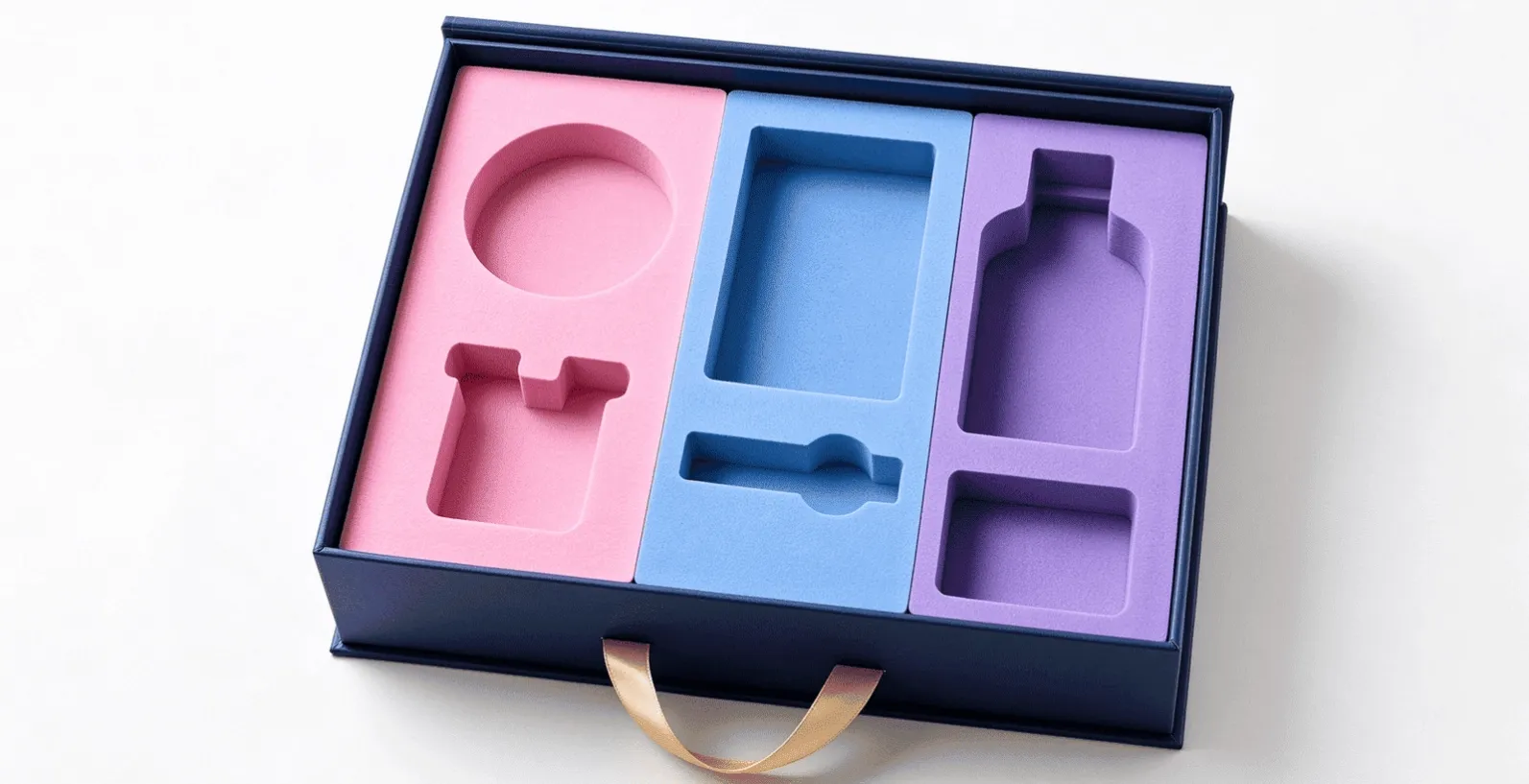
- Custom inserts — paperboard, corrugated board, molded pulp
- Paper tubes, paper bags, and display packaging
A good answer names specific structures and explains which fits which product. Red flag: a supplier that only says "we can do anything" without depth, or one that can only manufacture your existing design and cannot advise on structure. A partner who coordinates structural design, printing, finishing, inserts, and assembly under one roof lets you manage one vendor instead of five. See the custom printed boxes we produce as a reference.
- Can You Recommend the Right Structure and Materials for My Product?
You know what the packaging should look like — but the best structure is rarely obvious from a photo. A capable supplier should ask about your product dimensions, weight, fragility, retail environment, and shipping method before recommending anything.A good answer walks you through trade-offs: a lightweight cosmetic may suit a folding carton, while a heavy or delicate item needs a rigid box or reinforced insert. They should explain paperboard thickness, board type, and how construction affects stiffness, appearance, and fold performance — not just hand you a spec sheet. Red flag: a supplier quoting materials straight off a price list without a single question about your product.
- Can You Provide a Sample Before Mass Production?
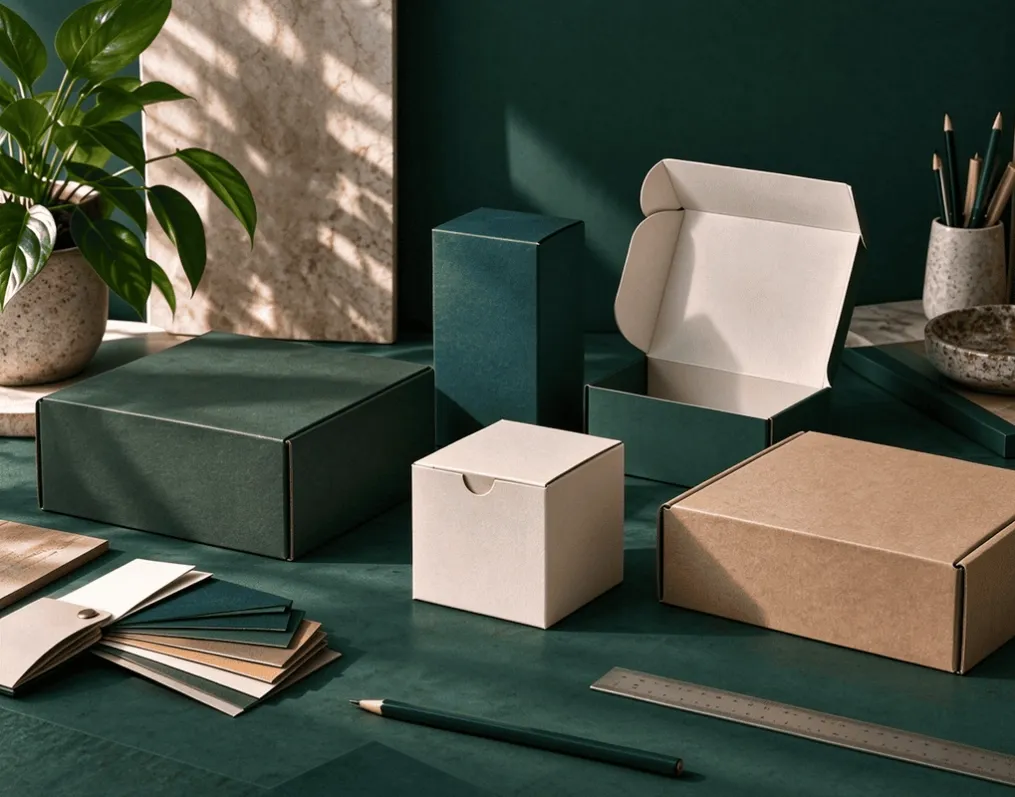
A sample is how you verify the packaging before committing to a full run. Ask whether they offer a structural prototype, a printed sample, or a fully finished sample — these differ in cost, time, and how faithfully they represent the final order.When you review the sample, check:
- Overall dimensions and product fit
- Opening and closing performance
- Insert positioning and product protection
- Printing, colors, and artwork placement
- Special finishes — foil stamping, embossing, UV coating
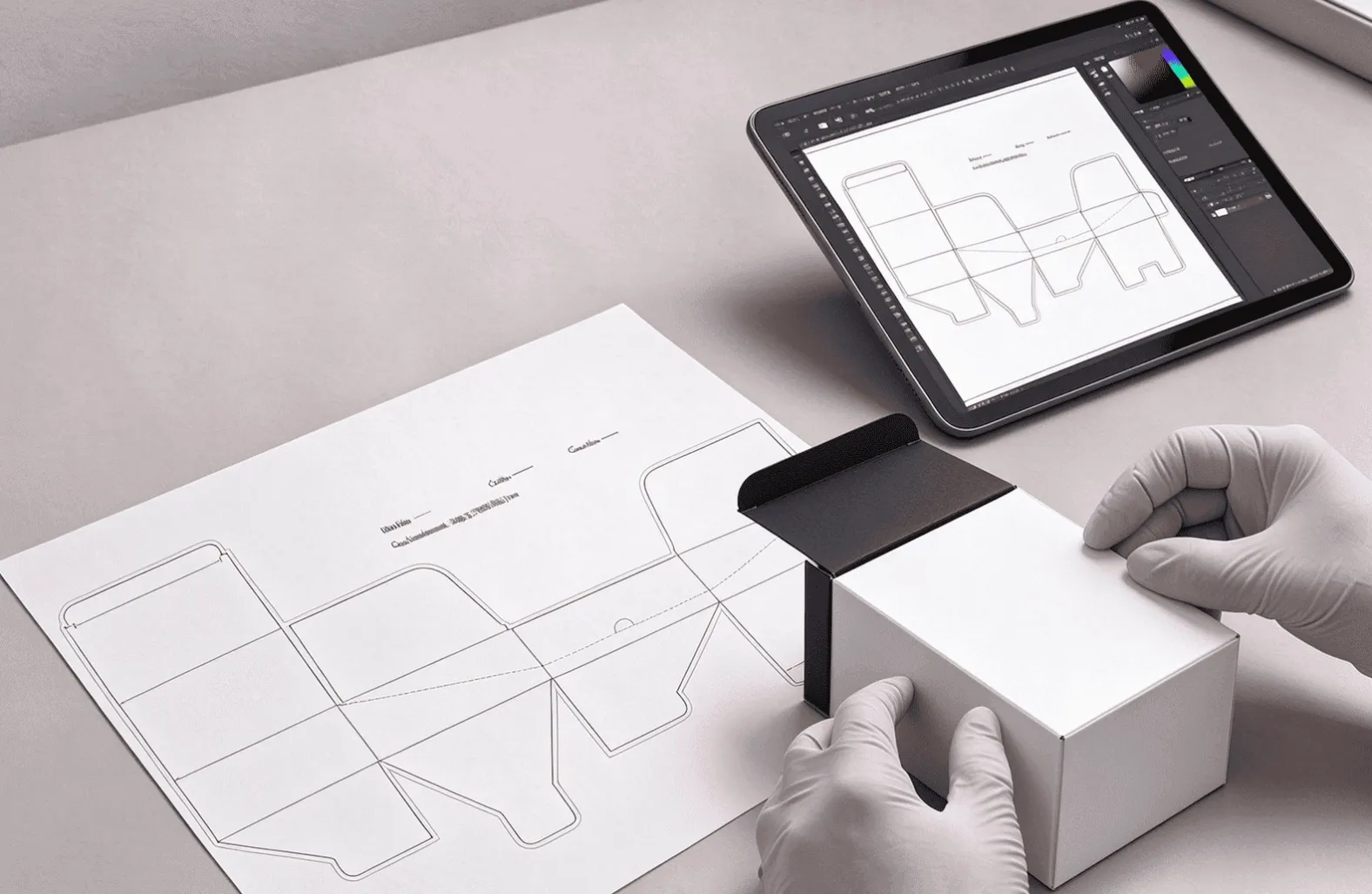
Always test the sample with your actual product. A box that looks right empty may fit too tightly, let the product shift, or fail to close once loaded. For a detailed checklist, see our guide on 7 Things to Check on a Packaging Dieline. Red flag: a supplier that resists sampling or rushes you past it.

- How Do You Check Quality Before Shipping?
Quality control should be agreed before production begins, not discovered after a problem ships. Ask how they check dimensions, printing, finishing, structural performance, and packing condition — and what happens if defects are found pre-shipment or the delivery misses the agreed spec.For repeat orders, confirm which specs must stay consistent:
- Board type and thickness
- Box dimensions and structural details
- Artwork and color references
- Finishing requirements
- Packing method and master carton specifications
For weight-bearing or fragile packaging, agree on the performance checks in advance. A good answer gives you a concrete inspection process and acceptance criteria. Red flag: a vague "we check everything" with no plan and no liability for defects.
- What Is the Total Cost, and What Does the Quote Include?
Evaluate the quote by its scope, not just the unit price. Clarify whether it includes structural development, sampling, printing plates or tooling, special finishes, inserts, assembly, and export packing — and don't forget shipping, which is often quoted separately.To compare fairly, confirm:
- Unit price and order quantity
- Sampling and setup charges
- Included materials and finishing processes
- Packing and master carton specifications
- Shipping method and delivery terms
- Any potential additional charges
Two suppliers can quote different prices for the same reason — or for completely different specs. Compare equivalent structures, materials, quantities, and delivery terms, and aim for the total landed cost, not the lowest headline number. Red flag: a quote so bare-bones you only discover the add-ons after you commit.
- What Are Your Production and Shipping Lead Times?
Lead time drives your launch date, inventory planning, and promo schedule. Ask the supplier to separate sampling, artwork approval, mass production, and shipping into distinct stages — a delay in one stage changes the final delivery date.Confirm when the production clock starts: for most custom projects, production can't begin until artwork, sample, or specifications are approved. Build in buffer for revisions and transport, especially for overseas orders, and clarify the shipping method and transit time separately from manufacturing time. International freight schedules shift, so don't treat an estimate as a guarantee unless the agreed service provides one. Red flag: a single fuzzy "6 weeks" with no stage breakdown.
- Can You Manage Packaging for Multiple Products or SKUs?
Most brands need more than one box style. Ask whether the supplier can coordinate multiple SKUs under one project while keeping quality consistent across them — for example:
- Several folding carton sizes
- Matching rigid boxes for gift sets
- Different inserts for individual products
- Coordinated printing and finishes
- Master cartons designed for consolidated shipping
A good answer shows they can reduce your coordination burden and standardize specs across the line. If you plan to expand, raise future SKU needs early — a structure or material strategy that works for one product often adapts cleanly to others. Red flag: a supplier that treats every SKU as a separate, disconnected project.
- How Will You Communicate and Resolve Problems?
Communication matters most exactly when it matters most — on overseas orders. Before ordering, find out who manages your project, how artwork changes get confirmed, and how you'll receive production updates. Then ask how they handle unexpected issues: a dimensional mismatch, a printing concern, or a shipping delay.A good answer is a clear response process: they surface the problem, lay out options, and quantify the impact on cost, timing, and usability. Clear written specifications, timely approvals, and documented decisions across time zones reduce costly misunderstandings. Red flag: a supplier that goes quiet under pressure or blames external factors without a solution.
Real-World Example: How We Resolved a Packaging Size Mismatch
In one custom packaging project, inner product boxes had to fit inside a larger magnetic-closure master box. After the components arrived, we found the master box dimensions left too little room for the planned arrangement. The problem went beyond structure — the customer also faced inventory and delivery timing, so simply remaking the master boxes would have added cost and delayed the project.We reviewed the options together: adjusting the smaller inner boxes proved more practical than remaking the larger ones, and we evaluated a combination of air and sea shipping to balance delivery urgency against cost.This is the kind of problem-solving that separates a vendor from a partner — and why communication skills belong on your supplier shortlist. It's also the level of care behind our track record of 80+ clients across the US and Canada and a 99.8% client satisfaction rate.
Supplier Assessment Checklist
Use this table to score each candidate on the same bar.
Question | A good answer includes | Watch out for |
1. What packaging types can you provide? | Specific structures (rigid, folding, mailer, inserts) matched to your product | "We can do anything" with no depth |
2. Can you recommend structure & materials? | Asks about dimensions, weight, fragility, shipping; explains trade-offs | Material quoted off a price list, no questions |
3. Can you provide a sample? | Structural / printed / finished sample; test with your real product | Resists sampling, rushes approval |
4. How do you check quality? | Concrete inspection process + acceptance criteria + defect liability | Vague "we check everything", no plan |
5. What does the quote include? | Full scope: tooling, finishing, inserts, packing, shipping; landed cost | Bare-bones quote with hidden add-ons |
6. What are the lead times? | Stage-by-stage (sample / artwork / production / shipping), clear start point | One fuzzy date, no breakdown |
7. Can you handle multiple SKUs? | Coordinates SKUs, keeps specs consistent, plans for line growth | Every SKU treated as a disconnected project |
8. How will you communicate? | Named project owner, documented decisions, clear problem escalation | Goes quiet under pressure |
Frequently Asked Questions
What should I ask a custom packaging supplier before ordering? Ask about their packaging range, structure and material recommendations, sampling, quality control, what the quote includes, lead times, multi-SKU support, and their communication and problem-solving process. These eight questions cover each area.
How much does custom packaging cost? Cost depends on structure, material, quantity, finishing, and shipping — so compare total landed cost, not unit price alone. A detailed quote should itemize tooling, sampling, finishing, inserts, and delivery terms.
What is a typical minimum order quantity (MOQ) for custom packaging? MOQs vary by print method and supplier. Digital printing typically allows lower minimums (often from 500–1,000 units), while offset and flexo printing need higher volumes for cost efficiency.
Can I get a sample before mass production? Yes — reputable suppliers offer structural, printed, or fully finished samples. Always test the sample with your actual product before approving a full run.
How long does custom packaging take? Separate the stages: sampling, artwork approval, production, and shipping each take time. Ask for each stage separately and build in buffer for revisions and transport, especially on overseas orders.
What happens if the delivered packaging doesn't match the specification? A reliable supplier should have an agreed inspection process and clear terms for handling defects. Confirm acceptance criteria and remedy options before production begins.
Ready to Choose a Packaging Partner You Can Trust?
Cherubox supports brands and wholesale buyers with custom paper packaging — rigid boxes, folding cartons, mailer boxes, inserts, and coordinated multi-SKU projects — backed by low MOQs, a US + China design team that delivers die-cut templates within one working day, and a 99.8% client satisfaction rate.Share your product dimensions, packaging style, estimated quantity, artwork, and delivery destination with our team. We'll review your requirements and recommend suitable structures, materials, finishes, and shipping options. Request a Custom Packaging Quote → You can also Email cherubox at sales@cherubox.com.