Jun 26, 2026Buying Guides
How to Choose the Right Inner Tray for Your Product
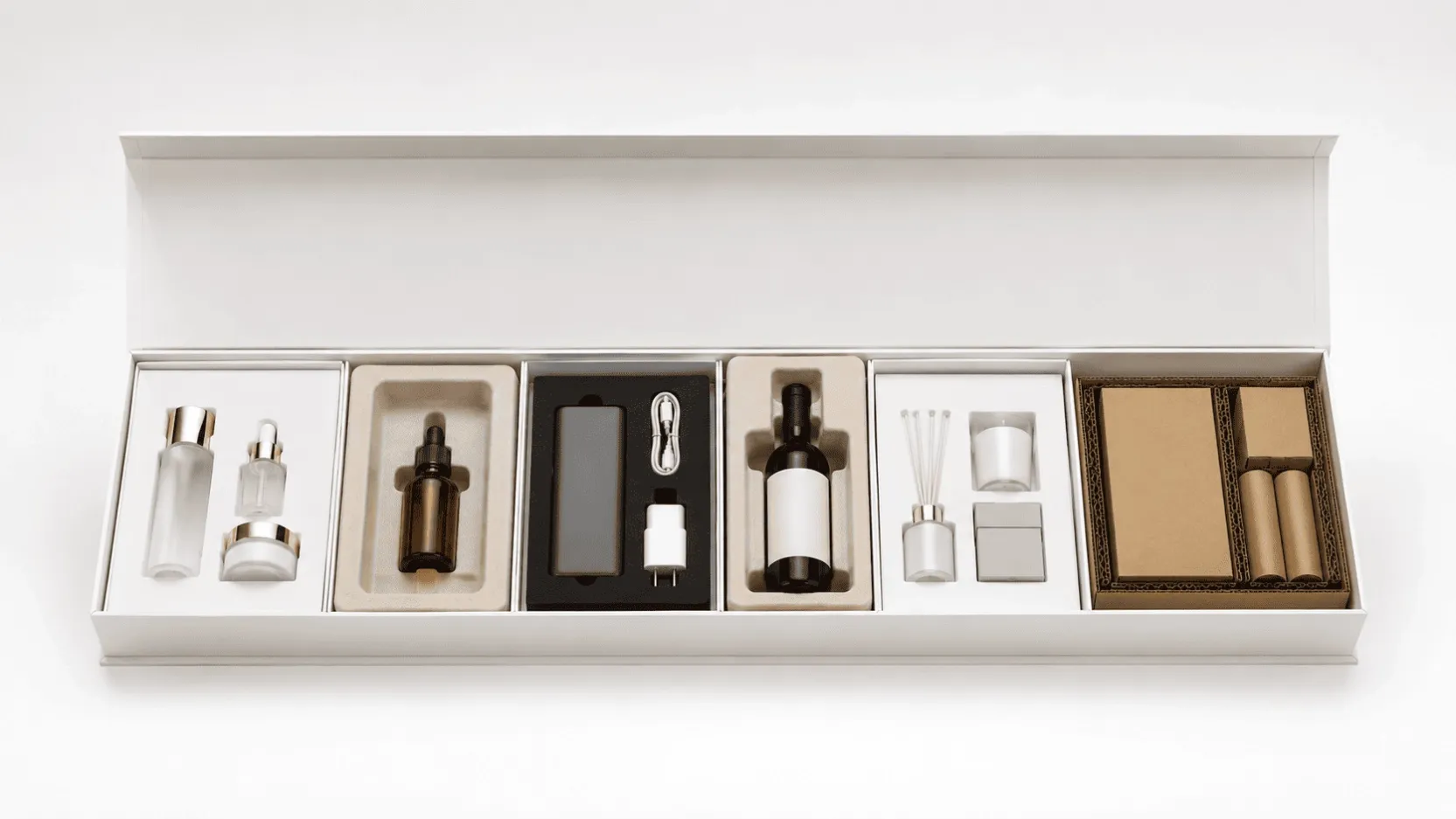
Custom packaging inserts play a critical role in product protection, presentation, organization, and customer experience. While the outer box often receives most of the attention, the insert inside the package is what keeps products secure, prevents damage during shipping, and creates a professional unboxing experience.
Different packaging insert materials serve different purposes. The best choice depends on product weight, fragility, sustainability goals, budget, shipping requirements, and brand positioning. A lightweight cosmetic bottle may only require a paperboard insert, while a high-value electronic device may need precision-cut EVA foam.
In this guide, we explore the most common types of packaging inserts, their advantages, limitations, and ideal applications.
Why Packaging Inserts Matter
A packaging insert is more than just a product holder. It serves several important functions throughout the product journey.
First, inserts protect products from movement and impact during transportation. Proper cushioning reduces the risk of breakage, scratches, and returns.
Second, inserts improve product presentation. By holding products in a precise position, inserts create a clean and organized appearance when customers open the box.
Third, inserts can enhance the overall unboxing experience. Premium brands often use custom inserts to create a sense of quality and attention to detail.
Finally, inserts can support sustainability goals when eco-friendly materials are selected.
Choosing the right packaging insert material can significantly affect both customer satisfaction and packaging costs.
Paperboard Inserts
Paperboard inserts are among the most popular packaging solutions because they are lightweight, cost-effective, and highly customizable.
Made from folding carton board or rigid paperboard, these inserts can be die-cut, folded, and assembled into various structures to hold products securely. They are commonly used in cosmetics packaging, skincare products, supplements, candles, food packaging, and retail gift boxes.
One major advantage of paperboard inserts is branding flexibility. They can be printed with logos, instructions, product information, patterns, or brand colors, extending the visual experience inside the box.
Paperboard inserts are also attractive for environmentally conscious brands because they are recyclable and can help reduce plastic usage.
Advantages
- Cost-effective for large production runs
- Lightweight and easy to assemble
- Fully printable
- Recyclable and plastic-free
- Suitable for retail packaging
Best Applications
- Cosmetics
- Skincare products
- Supplements
- Candles
- Gift sets
- Small bottles
Corrugated Inserts
Corrugated inserts provide greater strength and cushioning than standard paperboard.
Constructed from fluted corrugated material, these inserts are designed to absorb shock and protect heavier products during transportation. Corrugated inserts are widely used in ecommerce packaging, subscription boxes, industrial packaging, and shipping cartons.
They are especially useful when multiple products need to be separated inside the same box. Corrugated dividers can prevent products from colliding during transit.
Although they are generally less visually refined than premium paperboard inserts, corrugated inserts offer excellent protection and sustainability.
Advantages
- Strong structural support
- Excellent shipping protection
- Recyclable material
- Cost-effective for shipping applications
- Suitable for heavier products
Best Applications
- Ecommerce shipments
- Glass jars
- Industrial components
- Subscription boxes
- Multi-product kits
Molded Pulp Inserts
Molded pulp inserts have become increasingly popular as brands seek sustainable alternatives to plastic packaging.
Manufactured from recycled paper fibers, molded pulp inserts are formed into custom shapes that securely hold products while providing natural cushioning. They offer a unique combination of protection, sustainability, and visual appeal.
Many global brands now use molded pulp inserts for electronics, cosmetics, wine bottles, food products, and household appliances.
Their natural texture communicates environmental responsibility and aligns well with eco-friendly branding strategies.
Advantages
- Sustainable and recyclable
- Plastic-free solution
- Good cushioning performance
- Natural premium appearance
- Custom molded shapes available
Best Applications
- Electronics
- Cosmetics
- Beverage packaging
- Household appliances
- Sustainable product lines
Foam Inserts
Foam inserts are known for their excellent protective performance.
These inserts can be die-cut to match the exact shape of a product, creating a secure fit that minimizes movement and absorbs impact. Foam materials are commonly used when products are fragile, expensive, or highly sensitive.
Foam inserts are frequently found in electronics packaging, tools, instruments, medical equipment, and luxury products.
However, traditional foam materials are generally less sustainable than paper-based alternatives, making them less suitable for brands focused on reducing plastic usage.
Advantages
- Exceptional protection
- Precise product fit
- Lightweight cushioning
- Professional appearance
- Excellent shock absorption
Best Applications
- Electronics
- Medical devices
- Instruments
- Fragile products
- High-value products
Plastic Trays
Plastic trays provide precise forming, moisture resistance, and excellent product visibility.
Materials such as PET, PVC, and RPET are commonly used to create thermoformed trays that securely hold products while allowing customers to see them clearly.
Plastic trays are widely used in food packaging, cosmetics, retail displays, medical packaging, and consumer electronics.
Although they offer strong performance benefits, brands should consider recycling infrastructure and customer expectations when selecting plastic-based packaging.
Advantages
- Transparent display options
- Precise product positioning
- Moisture resistance
- Lightweight
- High-volume manufacturing efficiency
Best Applications
- Food packaging
- Retail display packaging
- Cosmetics
- Medical products
- Electronics
EVA Foam and Specialty Inserts
EVA foam inserts represent a premium category of packaging inserts.
Compared with standard foam, EVA provides a smoother surface, cleaner appearance, and more luxurious presentation. It can be precisely cut to fit products while delivering exceptional cushioning.
Luxury brands often choose EVA inserts for jewelry, watches, electronics, premium gift sets, and collector products.
While EVA offers superior aesthetics and protection, it typically comes with higher production costs and lower sustainability compared with paper-based alternatives.
Advantages
- Premium appearance
- Precise custom fit
- Excellent cushioning
- Durable material
- Luxury presentation
Best Applications
- Jewelry
- Watches
- Luxury gifts
- Electronics
- Collector products
Quick Comparison of Packaging Insert Materials
Material | Protection | Sustainability | Appearance | Cost |
|---|---|---|---|---|
Paperboard | Medium | Excellent | Good | Low |
Corrugated | High | Excellent | Basic | Low |
Molded Pulp | High | Excellent | Natural Premium | Medium |
Foam | Excellent | Poor | Professional | Medium |
Plastic Tray | Medium | Moderate | Clean | Medium |
EVA Foam | Excellent | Poor | Luxury | High |
Which Packaging Insert Is Right for Your Product?
There is no universal solution for packaging inserts. The ideal material depends on your specific product and packaging goals.
For cosmetics and skincare products, paperboard inserts and molded pulp inserts often provide the best balance of sustainability, appearance, and cost.
For ecommerce shipments and heavier products, corrugated inserts typically offer superior protection during transportation.
For luxury products, jewelry, and premium gift packaging, EVA foam inserts create a high-end presentation that enhances perceived value.
For fragile electronics and sensitive equipment, foam inserts often deliver the highest level of protection.
For environmentally conscious brands, molded pulp and paperboard inserts are usually the preferred choices.
Conclusion
Choosing the right packaging insert is an important part of creating effective product packaging. The insert not only protects products during shipping but also influences presentation, customer satisfaction, sustainability performance, and overall brand perception.
Whether you choose paperboard inserts, corrugated inserts, molded pulp trays, foam inserts, plastic trays, or EVA foam, the best solution is the one that balances protection, functionality, appearance, cost, and environmental goals.
By understanding the strengths and limitations of each material, brands can create custom packaging that protects products, supports business objectives, and delivers a memorable customer experience.