Jun 26, 2026
Custom Folding Boxes: A Practical Buying Guide for B2B Packaging Buyers
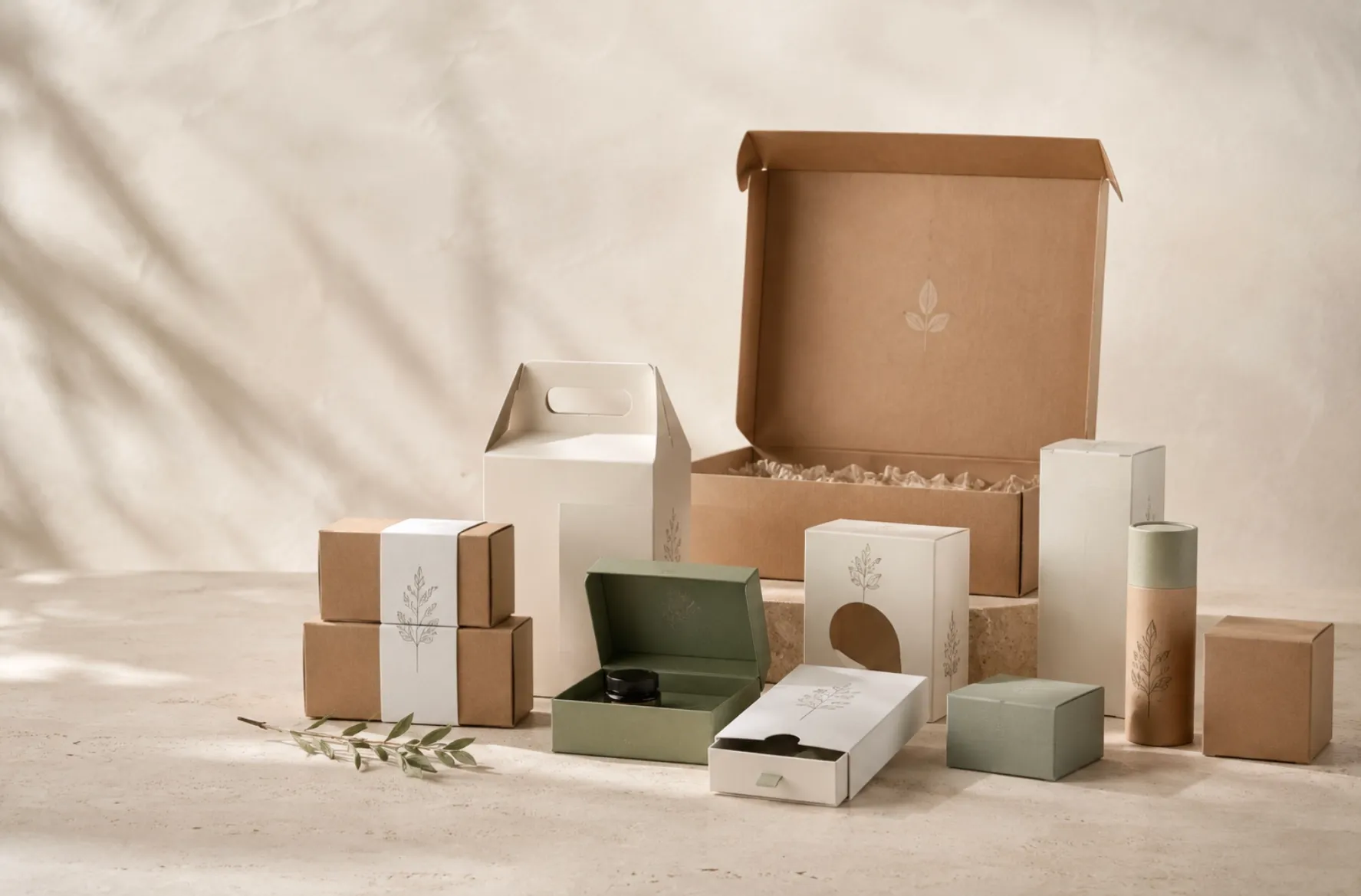
Custom folding boxes are one of the most widely used paper packaging solutions for global brands, importers, wholesalers, and manufacturers. They are lightweight, cost-efficient, and highly customizable, making them suitable for industries such as cosmetics, skincare, food, supplements, electronics, toys, and retail products.
For B2B buyers, folding cartons are not just packaging—they are a combination of product protection, brand presentation, logistics efficiency, and cost control. Choosing the right structure, material, and finishing can directly affect your product performance in retail and e-commerce channels.
This guide explains everything you need to know before ordering custom folding boxes from a manufacturer.
What Are Custom Folding Boxes?
Custom folding boxes (also called folding carton boxes) are paperboard-based packaging boxes that are:
- Printed with brand artwork
- Die-cut into flat sheets
- Creased and folded into shape
- Glued at specific points
- Shipped flat for efficiency
They are delivered in flat form to reduce shipping and storage costs, and assembled when needed either manually or by automatic packaging lines.
Typical applications include:
- Cosmetic packaging boxes
- Skincare product boxes
- Pharmaceutical packaging
- Food and supplement boxes
- Electronics accessories packaging
- Retail product packaging
Common Folding Box Structures
Different box styles serve different functional and marketing needs. Choosing the correct structure improves both user experience and production efficiency.
1. Straight Tuck End (STE)
Clean retail appearance, commonly used for cosmetics and lightweight products.
2. Reverse Tuck End (RTE)
Cost-efficient structure, widely used for mass-market products.
3. Auto Lock Bottom Boxes
Stronger bottom structure, ideal for heavier products or faster packing lines.
4. Crash Lock Bottom Boxes
High-speed assembly structure for e-commerce and warehouse operations.
5. Sleeve Boxes
Premium unboxing experience with sliding structure.
6. Window Boxes
Transparent window design for product visibility on shelves.
7. Hang Tab Boxes
Designed for retail display racks.
8. Display Cartons
Used for counter display and promotional retail setups.
Folding Box Type vs Application (Quick Guide)
Box Type | Best Use Case | Strength | Cost Level |
|---|---|---|---|
Straight Tuck End | Cosmetics, skincare | Medium | Low–Medium |
Reverse Tuck End | General retail goods | Medium | Low |
Auto Lock Bottom | Heavy products | High | Medium |
Crash Lock Bottom | E-commerce packing | High | Medium |
Sleeve Box | Luxury branding | Medium | Medium–High |
Window Box | Retail visibility | Medium | Medium |
Display Box | POS marketing | Medium | Medium |
This table helps buyers quickly identify the right structure based on product needs.
Why B2B Brands Choose Folding Boxes
Folding cartons are widely used in global supply chains because they balance cost, branding, and logistics.
Key advantages:
1. Lower unit cost
Ideal for medium to large production volumes.
2. Flat shipping efficiency
Boxes are shipped flat, reducing storage and freight costs.
3. Strong branding surface
High-quality printing supports brand storytelling and shelf impact.
4. Flexible customization
Supports various sizes, structures, and finishing techniques.
5. Sustainable packaging option
Most folding cartons are recyclable and plastic-reduced.
6. Retail + e-commerce compatible
Works for both shelf display and direct-to-consumer shipping.
How to Choose the Right Paper Material
Material selection affects durability, printing quality, and perceived product value.
SBS (Solid Bleached Sulfate)
- Premium white surface
- Excellent print quality
- Best for cosmetics, skincare, healthcare packaging
FBB (Folding Box Board)
- Lightweight but stiff
- Cost-efficient with good printability
- Common for food and consumer goods
CCNB (Recycled Board)
- Eco-friendly recycled material
- Lower cost option
- Suitable for toys, household items, general retail
Kraft Paperboard
- Natural brown texture
- Eco-friendly and minimalist look
- Popular for organic and sustainable brands
Micro-flute Corrugated Board
- Higher strength structure
- Used for heavier products or extra protection needs
- Still printable for branding purposes
👉 Always provide product weight, shipping method, and display requirements when selecting material.
Printing and Finishing Options
Printing is where folding boxes become a marketing tool rather than just packaging.
Printing methods:
- Offset printing (best for large volume orders)
- Digital printing (best for samples or small batches)
Common finishing options:
- Gloss lamination
- Matte lamination
- Soft-touch coating
- Spot UV
- Hot foil stamping
- Embossing / Debossing
- Aqueous coating
- Window patching
Important insight for B2B buyers:
A simple structure with one strong finishing effect often performs better than overly complex designs. Over-finishing can increase cost without improving shelf impact.
What Affects the Cost of Folding Boxes?
Understanding cost drivers helps buyers control budget and avoid hidden expenses.
Main cost factors:
1. Material type
SBS > FBB > CCNB in cost level.
2. Box size
Larger boxes require more material and higher freight cost.
3. Printing complexity
More colors = higher cost.
4. Surface finishing
Foil, UV, embossing increase unit price.
5. Order quantity
Higher volume significantly reduces unit cost.
6. Structural complexity
Auto-lock, sleeve, or multi-layer designs cost more than basic boxes.
7. Packaging requirements
Inserts, windows, and special features increase production steps.
Common Mistakes B2B Buyers Should Avoid
Many packaging issues come from early planning mistakes.
1. Choosing the wrong paper thickness
Too thin = poor protection, too thick = unnecessary cost.
2. Over-designing finishing effects
Too many effects can increase cost without improving brand perception.
3. Ignoring shipping dimensions
Incorrect folding size can increase freight cost significantly.
4. Not considering filling process
Manual vs automatic packing affects structure choice.
5. No dieline preparation
Delays production and increases revision cycles.
What Information You Need for a Quote
To get an accurate quotation from a packaging supplier, prepare:
- Box dimensions (L × W × H)
- Product weight and type
- Box structure or reference image
- Paper material preference
- Printing requirements (CMYK, Pantone, etc.)
- Finishing requirements
- Order quantity
- Delivery destination
- Special features (inserts, windows, barcodes, etc.)
If dieline is not available, a professional supplier can create it based on product specifications.
Why Work With a Professional Folding Box Manufacturer
A reliable manufacturer does more than produce boxes. They help optimize:
- Structural design for cost efficiency
- Material selection for product safety
- Printing adjustments for brand consistency
- Packaging size for shipping optimization
This reduces risk, improves consistency, and ensures scalability for long-term orders.
Get Custom Folding Box Quote
If you are planning to develop custom folding boxes for your products, we can help you with:
- Free structural recommendation
- Material suggestion based on your product
- Dieline development support
- Fast quotation within 12–24 hours
- Sample production for quality testing
👉 Send us your product details or reference images to get started.